
Locally-sourced flowers, an international Lent appeal, confirmations and an installation all featured in the Bishop of Norwich’s February diary in his diocese and further afield.
Every year Bishop Graham champions a diocesan Lent Appeal – which this spring is raising money for the people of our link diocese in Papua New Guinea. The focus is on supporting clergy families by helping clergy children complete their education at the Martyrs Memorial School (an Anglican school.)
To find out more visit our Lent Appeal page and listen to Bishop Graham here:
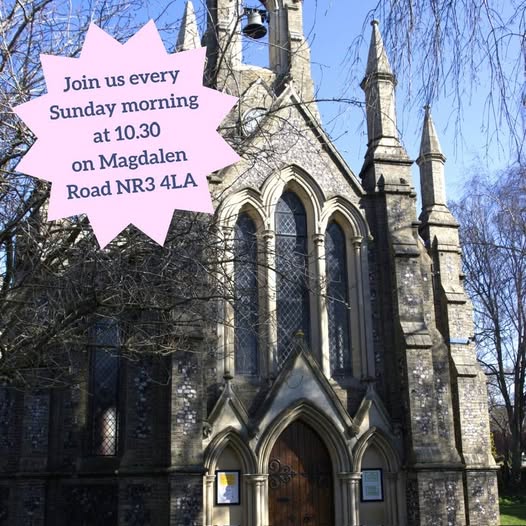
This month the Bishop of Norwich enjoyed visits to the people of churches including Christ Church, New Catton, Norwich, where he preached and presided at Sunday morning service.
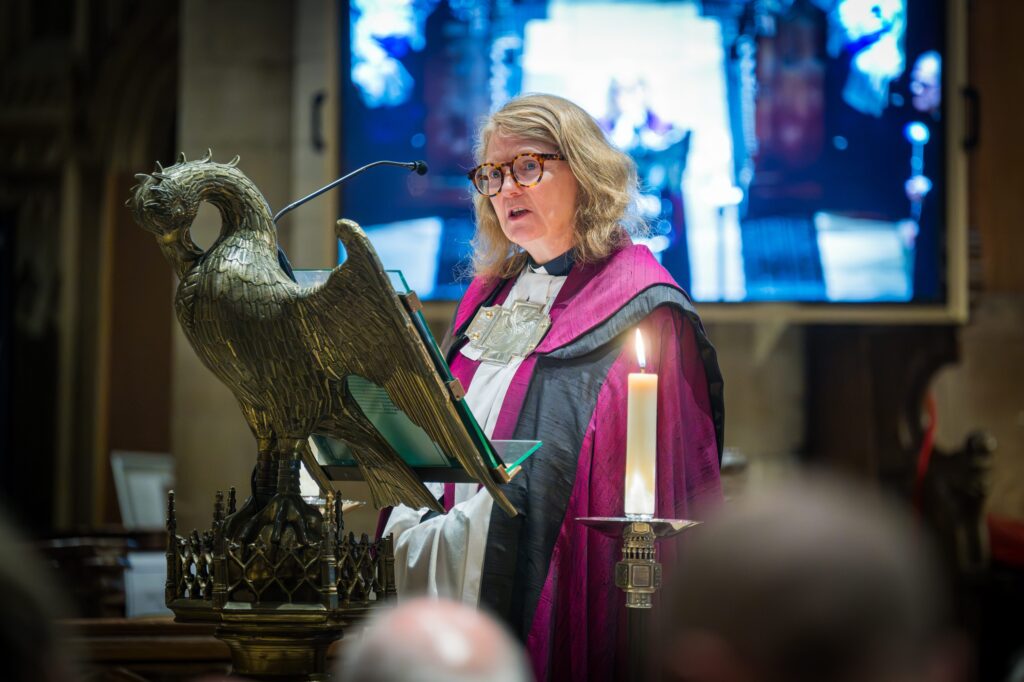
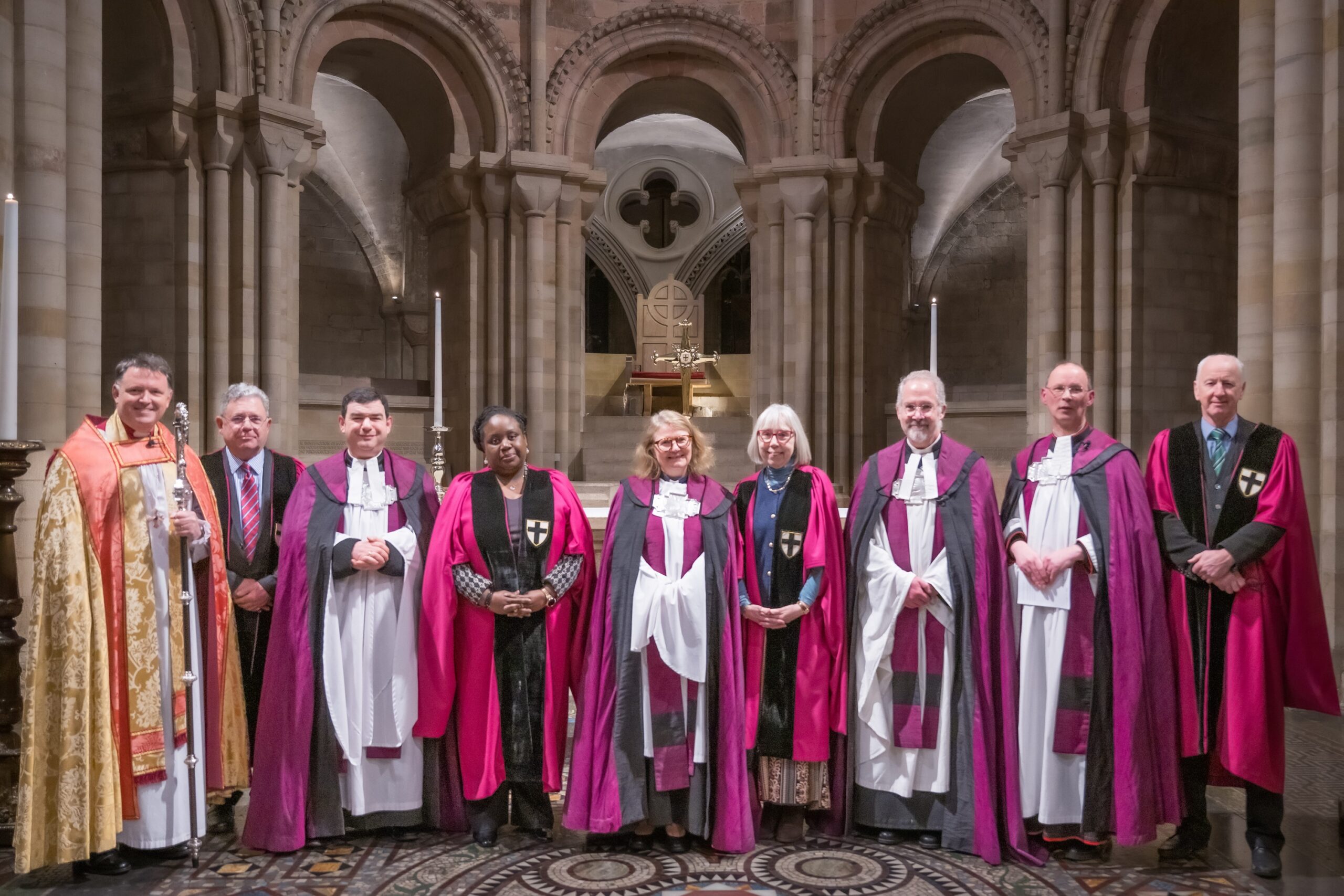
He preached in Norwich Cathedral at the installation of new Canon Pastor Liz Leaver, and said: “It is a joy to welcome Liz as Canon Pastor of Norwich Cathedral. She will work around three areas – caring for the congregation and community; helping people grow in faith; and coordinating the welcome of pilgrims and visitors. I am looking forward to seeing all that she will bring to this important and exciting ministry.”
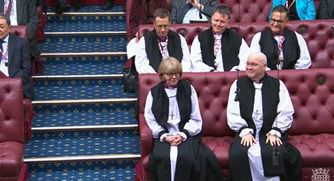
The bishop was also present for another high profile introduction of a clergywoman – when Dame Sarah Mullally was (re)introduced to the House of Lords as Archbishop of Canterbury.
Back in Norwich, Bishop Graham confirmed eight pupils from Norwich School – giving each a hazel sapling at the end of the service in the school chapel.
The bishops of Norwich, Thetford and Lynn all give confirmation candidates a sapling, recognising the importance of Creation and the natural world in their ministry.
The work of the Church of England in combatting climate change and nature-loss was acknowledged when the Bishop of Norwich, lead bishop for the environment, was named as one of the 100 most influential sustainability and climate leaders in the UK. The ‘edie 100’ list of 100 exceptional environmental leaders honours people demonstrating environmental leadership and inspiring positive change. It includes directors of major companies, charity campaigners and entrepreneurs.

Bishop Graham said: “This recognition is for everyone in the Church of England working to protect the natural world and reverse biodiversity loss. It is part of our duty as Christians to care for and celebrate God’s wonderful creation – and speak up when we see it being harmed. Thousands of people in parishes across the country are seeking to reduce the carbon footprint of their churches, encouraging wildlife in churchyards, and ensuring recycling is part of church activities. We are working together to protect our God-given planet.”
As part of his work in the House of Lords Bishop Graham joined MPs and Peers to call for Britain’s chalk streams to be awarded UNESCO World Heritage status, recognising them as among the rarest and most important habitats on Earth.
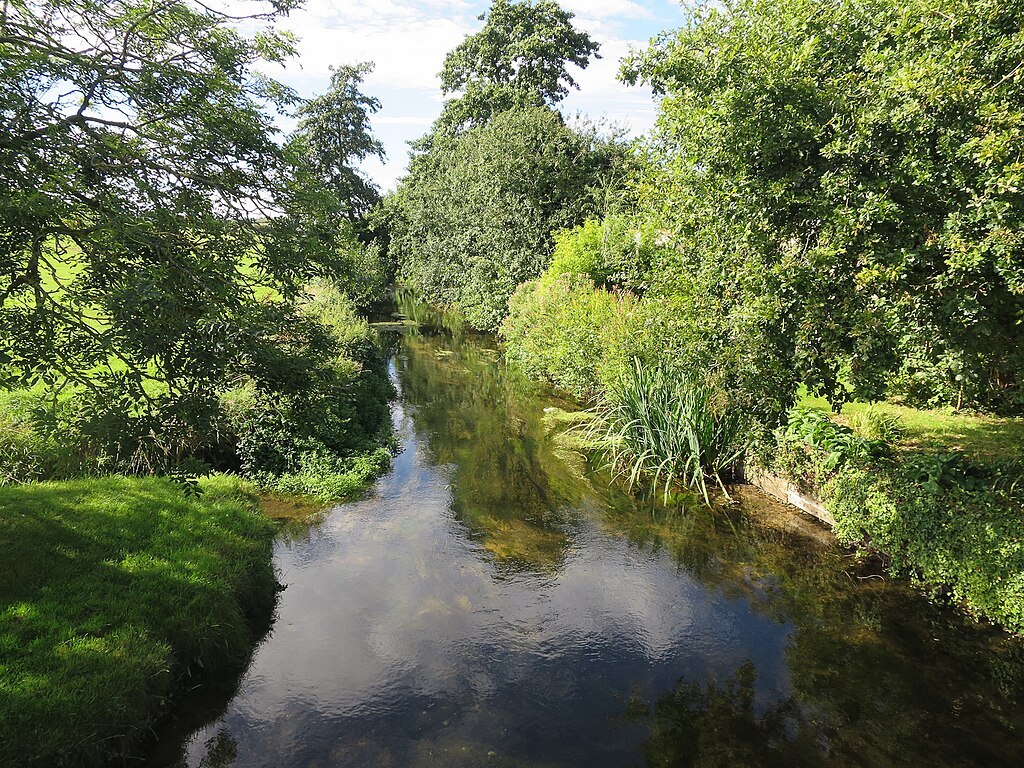
Only around 200 chalk streams are known to exist worldwide. Around 85 per cent are in England, and many of these are in the Diocese of Norwich. They support more species of plants than any other English river type. However, many chalk streams are in poor condition, suffering from over-abstraction and pollution.
Within his diocese Bishop Graham attended the AGMs of the two Diocese of Norwich trusts running schools across Norfolk and Waveney. Nationally he continued his work as part of the Church Commissioners Board of Governors and with the Church of England’s Environmental Working Group. He also met experts to address the plight of Palestinian Christians living in the Holy Land and was asked to write a piece for Independent newspaper about his recent visit to the West Bank, including planting olive trees on the farm of a Palestinian Christian near Bethlehem, alongside Jewish leaders from the group Rabbis for Human Rights.
At General Synod, in London, Bishop Graham spoke about honouring the Christians murdered for their faith by Islamic State terrorists. He is part of a committee which looked at proposals for the Commemoration of the Twenty-One Martyrs of Libya. He told General Synod that a commemoration day allowed “The witness of faithful men, who died with the name of Christ on their lips, to stand before us as part of the Church’s memory and therefore part of the Church’s formation. There is something chastening in that witness, and strengthening too. It draws us out of a local frame. It reminds us that the Church is one, and that courage and suffering are not abstractions. It places before us, quietly and firmly, the truth that fidelity to Christ is still costly in many parts of the world: and that the final word does not belong to violence but to Christ.”
The Revision Committee also looked at proposals to mark the Festival of God the Creator in September, and suggested adding the subtitle Feast of Creation in Christ, which is used by the Roman Catholic church. Suggested revisions also included making space for an act of commitment, allowing people to progress “from praise and penitence into renewed intention.”
Bishop Graham told General Synod: “Many churches are exploring a feast of this kind. Many are searching for language that holds together thanksgiving, repentance, and hope. Across the Christian world there is a growing movement to recover, within worship, the praise of the Creator and the call to live rightly within creation.
“In bringing this material to this formal stage, we are on the leading edge of that work. We are among the first churches to take the patient step of shaping texts that can be authorised and used – not simply discussed, not simply commended, but prayed publicly and repeatedly, so that aspiration becomes habit, and prayer forms life.”
Bishop Graham also backed a call for churches to consider using locally-sourced flowers where possible.