

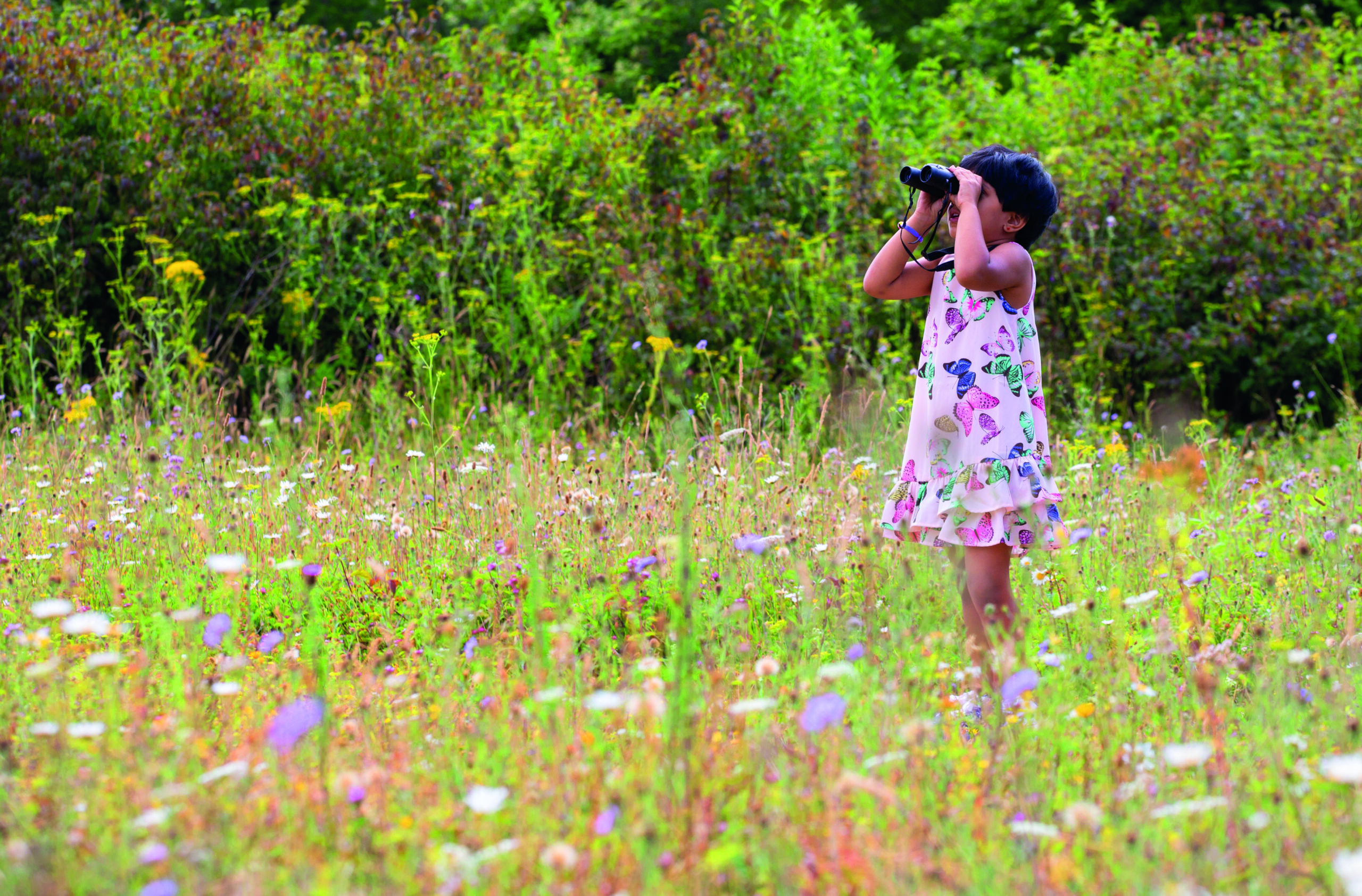
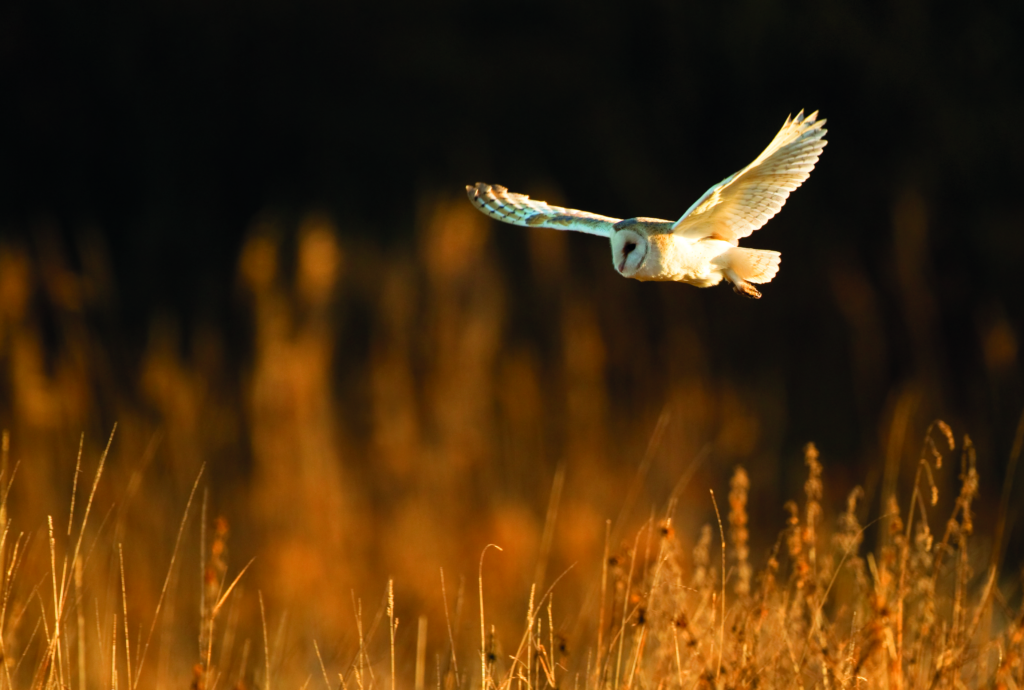
Photo: Jon Hawkins – Surrey Hills Photography
Ten schools from the Diocese of Norwich are helping bring wildflower meadows back to Norfolk as part of a new partnership with Norfolk Wildlife Trust.
The schools are taking part in Seeds of Hope, a project that will see pupils create meadow seed banks on their school grounds while learning about caring for the natural world. Three schools have already explored the initiative through collective worship, helping children connect their actions with Christian teaching on stewardship and responsibility.
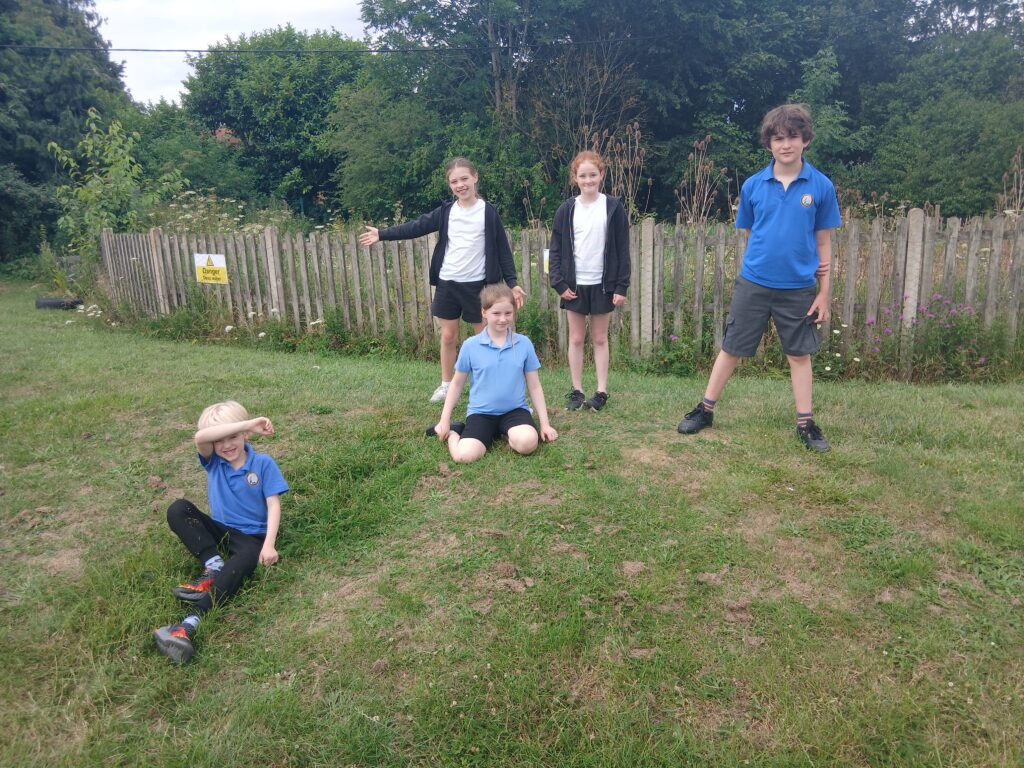
The school programme forms part of Norfolk Wildlife Trust’s wider Meadows for the Future project, launched during the charity’s centenary year. Working with schools, landowners and communities, the initiative aims to restore and create meadows across South Norfolk at a time when traditional wildflower grasslands have become increasingly scarce.
Pupils will play an active role throughout the project, helping to survey sites, sow native wildflower seed and care for the developing meadows. As the meadows mature, they will not only provide valuable habitat for wildlife but will also produce seed that can be used to establish new meadows elsewhere in the county.
Barbara Bryant, Environment Officer for the Diocese of Norwich, said; “We are delighted that 10 of our schools are taking part in creating meadow seed banks for Norfolk Wildlife Trust as a practical way of caring for God’s creation and supporting local biodiversity.
“By collecting and growing native wildflower seeds, pupils help restore habitats for insects, birds and other wildlife, contributing to the long-term health of the natural environment across Norfolk.
“This project reflects the Christian ethos of our diocesan schools by encouraging stewardship, responsibility and service to others. It helps children understand that caring for the world is an important part of living out Christian values, demonstrating respect for creation and working together for the common good of both people and nature.”
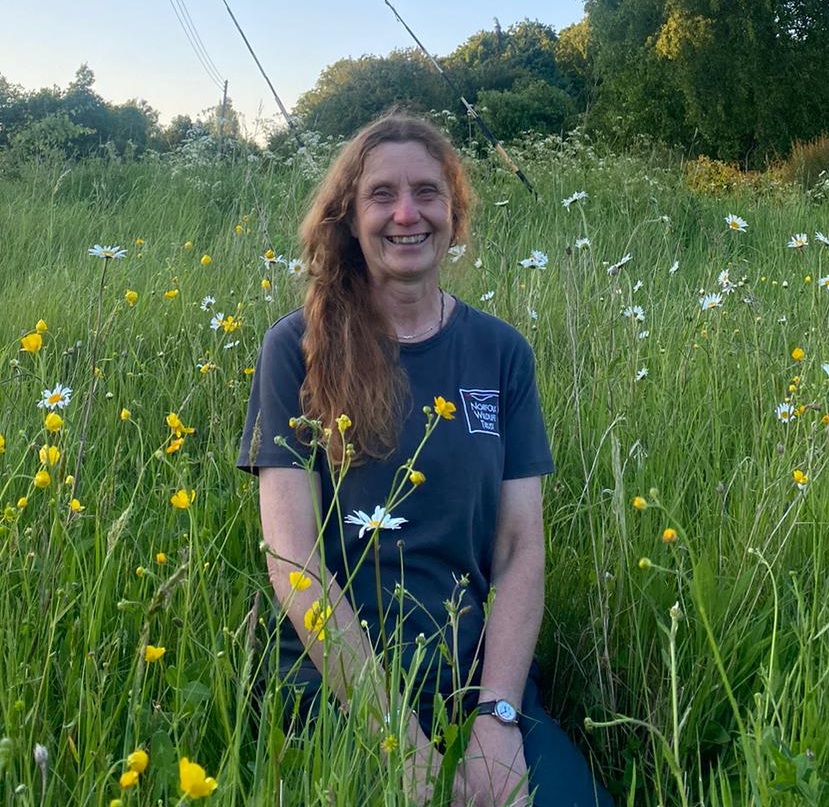
Helen Baczkowska, Conservation Research and Evidence Manager at Norfolk Wildlife Trust, said; “Returning meadows to their rightful place, at the heart of our countryside, is not only morally the right thing to do and a beautiful addition to our lives, but essential if we want to ensure future generations enjoy living in a healthy and vibrant county.”
The meadows created through the project will support a wide range of wildlife, from pollinating insects to birds and mammals, while also helping to store carbon and reduce the impact of flooding. The initiative will contribute to the protection of rare plants found in the South Norfolk Claylands, including sulphur clover, dyer’s greenweed and spiny restharrow.
Norfolk Wildlife Trust hopes to create 15 hectares of new meadow over the next three years. Seed collected from those sites will help establish further meadows in the future, creating a legacy for wildlife across the county.
Participating schools are Drayton VC Junior School, Horsford CofE Primary School, Stibbard All Saints CofE Primary Academy, North Elmham CofE Primary Academy, Taverham VC Junior School, St Peter’s Easton CofE Primary Academy, Dereham CofE Junior Academy, Salhouse CofE Primary Academy, Rudham CofE Primary Academy and Fairhaven CE VA Primary School.