

You are invited to one of England’s most picturesque and historic outdoor church services.
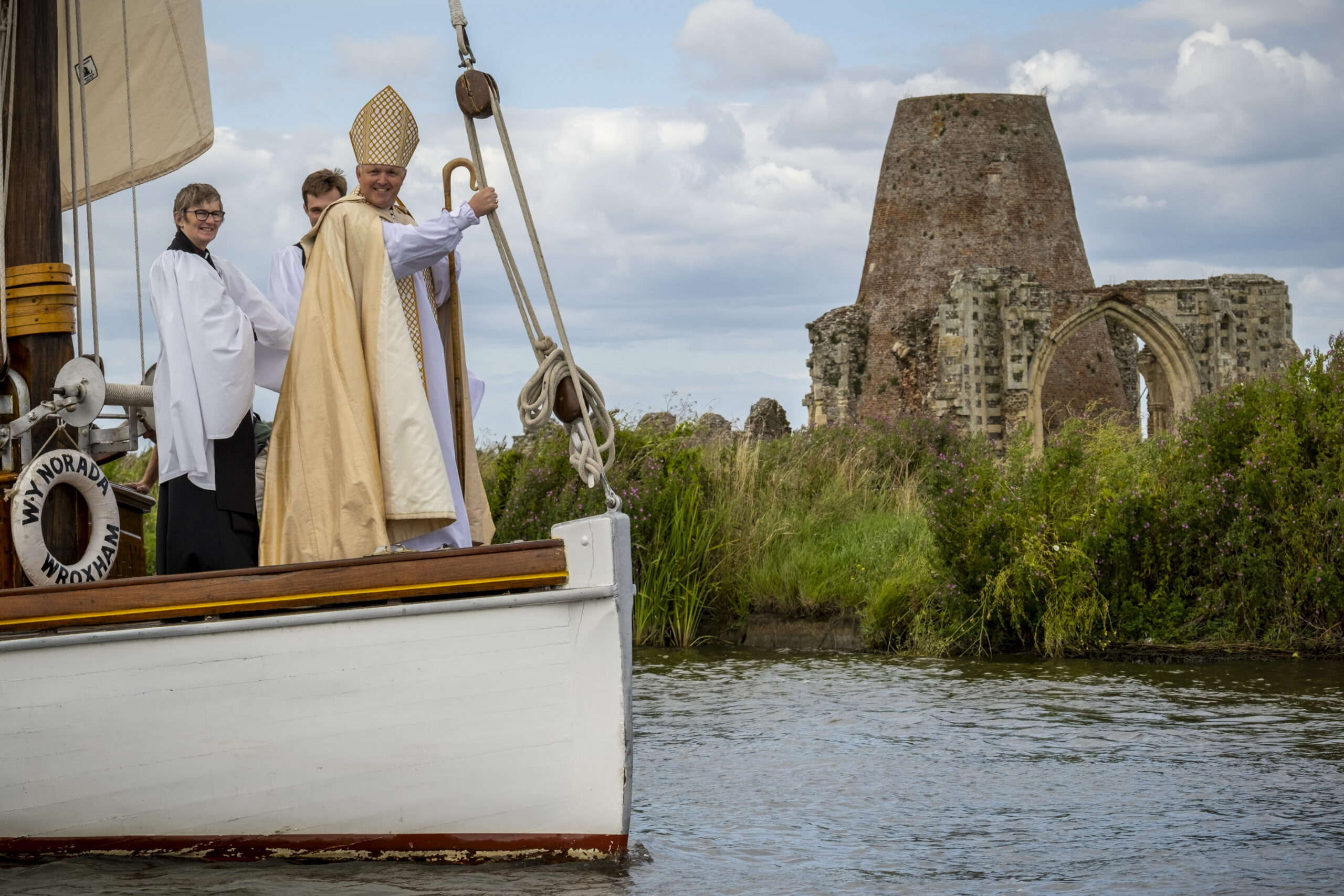
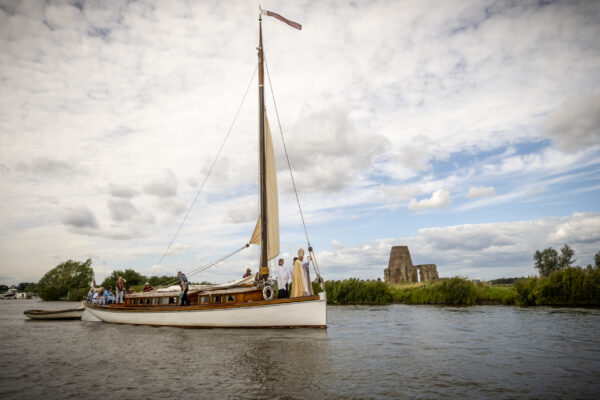
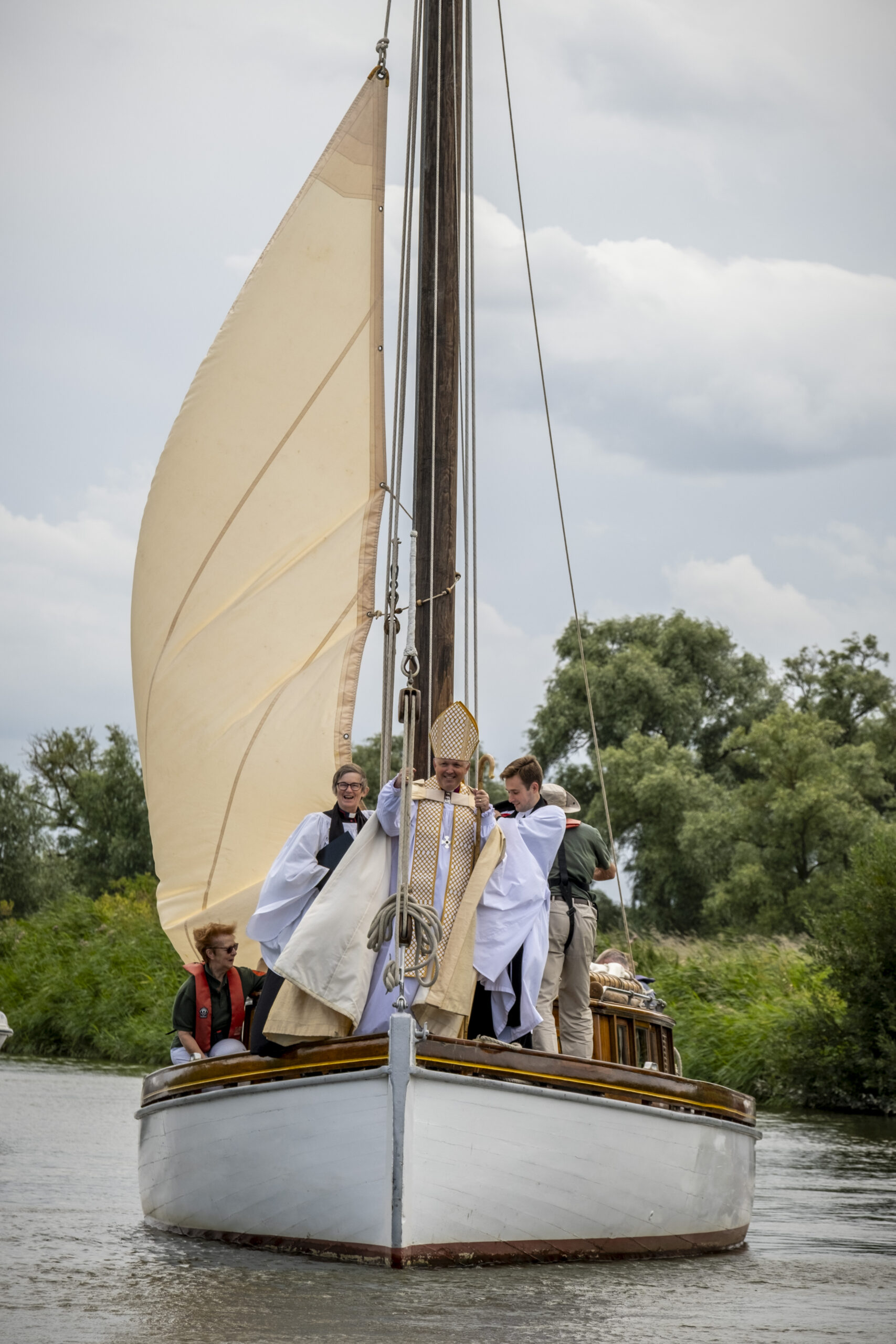
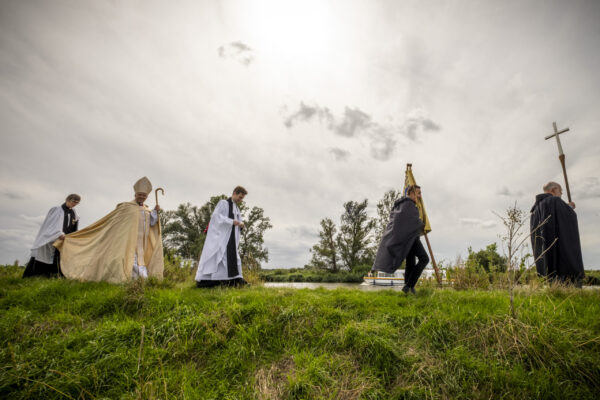
On Sunday July 26 the Bishop of Norwich will arrive by wherry at the isolated ruins of St Benet’s Abbey on the River Bure.
He will lead a church service beside the towering wooden cross which stands at the site of the high altar of the abbey.
Christians have worshipped here for more than 1,000 years and from 1536 every Bishop of Norwich has also been Abbot of St Benet’s.
Once a year the Bishop, as Abbot of St Benet’s, visits the atmospheric abbey and music and prayer once again fill the reed-fringed water-meadows.
He travels by wherry along the river from Ranworth where he is met by members of the St Benet’s Community – the modern-day heirs of the monks who lived, worked and worshipped here for centuries – plus local people, tourists, pilgrims, walkers and boaters.
The bishop is expected to arrive at St Benet’s around 3.20pm, from where he will join a procession to the site of the Abbey high altar for the 3.30pm service, lasting around 35 minutes.
All are welcome.
Picture: Jason Bye, www.jasonbye.com
Photography: Jason Bye/www.jasonbye.com
Did you know…?
In 1019 King Canute (of failing to hold back the tide fame and monarch of Denmark, Norway, Sweden and England) gave the land beside the Bure to a group of monks. Even before then there are stories of holy hermits living here.
The monks of St Benet followed the rules of St Benedict (or Benet in medieval English).
In the 15th century Sir John Fastolf, of Caister Castle, near Great Yarmouth, was a generous benefactor. The soldier and landowner had led the English defeated by Joan of Arc and inspired Shakespeare’s character Falstaff. He funded a grand south aisle and chapel, where he is buried.
St Benet’s is the only monastery in England not closed by Henry VIII. Instead the Abbot of St Benet’s became Bishop of Norwich.
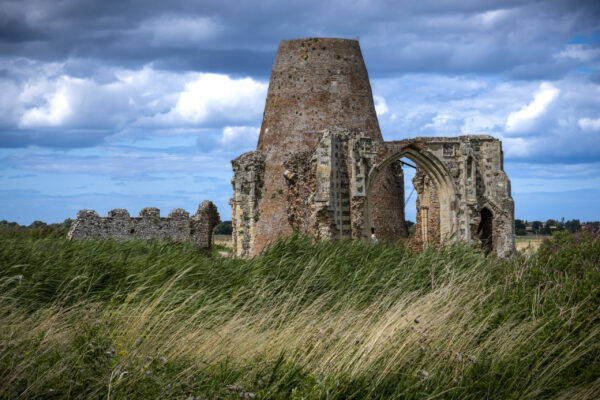
In the 18th century a windpump, now ruined itself, was built into the ancient stonework of the gatehouse.
The landscape of water, sky and stones has attracted artists for centuries – from John Sell Cotman and Edward Seago to Norfolk’s 21st century child-prodigy painter Kieron Williamson.
The annual service is organised by the St Benet’s Community – men and women interested in bringing inspiration from Benedictine spirituality into their day-to-day lives.
The site is looked after by the Norfolk Archaeological Trust and is free to enter.