
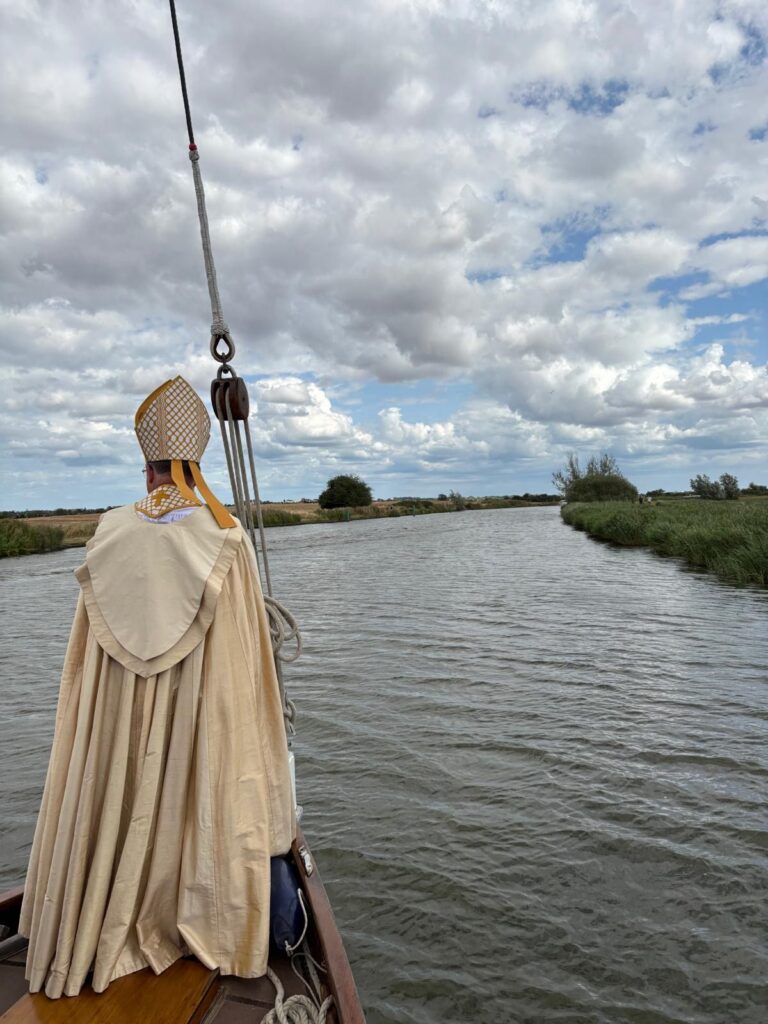
Spiritual and spectacular, the annual St Benet’s Day service brought pilgrims, passers-by, tourists and church-goers to beautiful St Benet’s Abbey.
For almost 500 years every Bishop of Norwich has also been Abbot of St Benets, near Ludham.
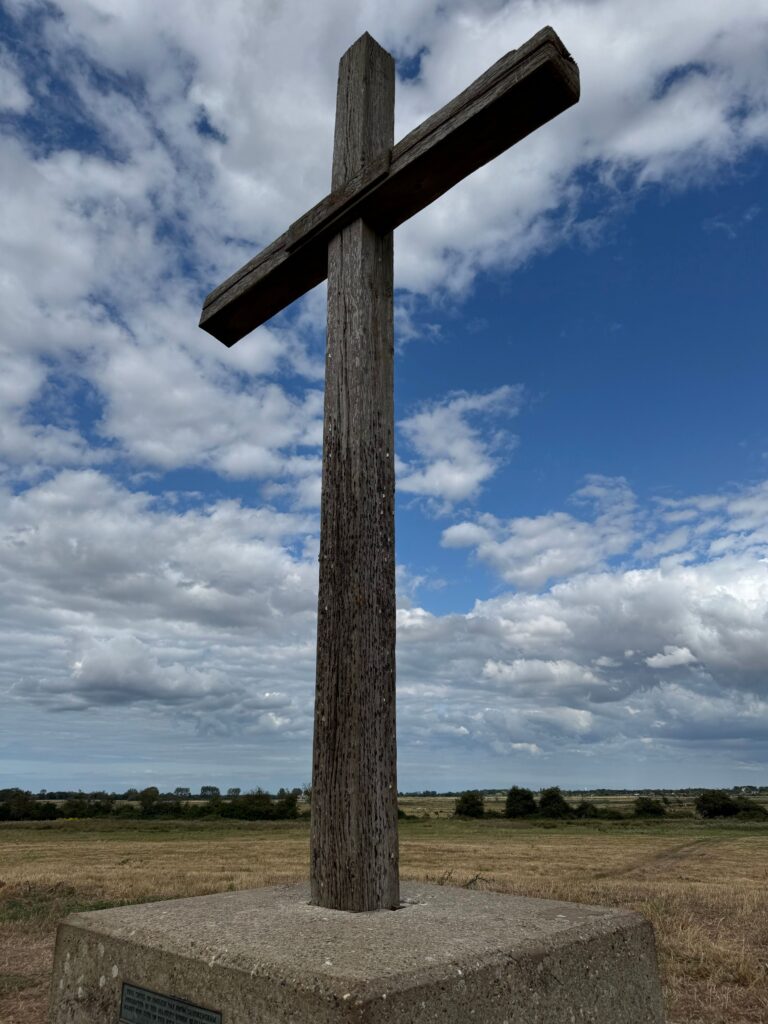
On Sunday July 26 Bishop Graham arrived at the ruins of the ancient abbey by wherry. After processing to the Peace Cross, where the high altar once stood, he led the annual outdoor St Benet’s service.
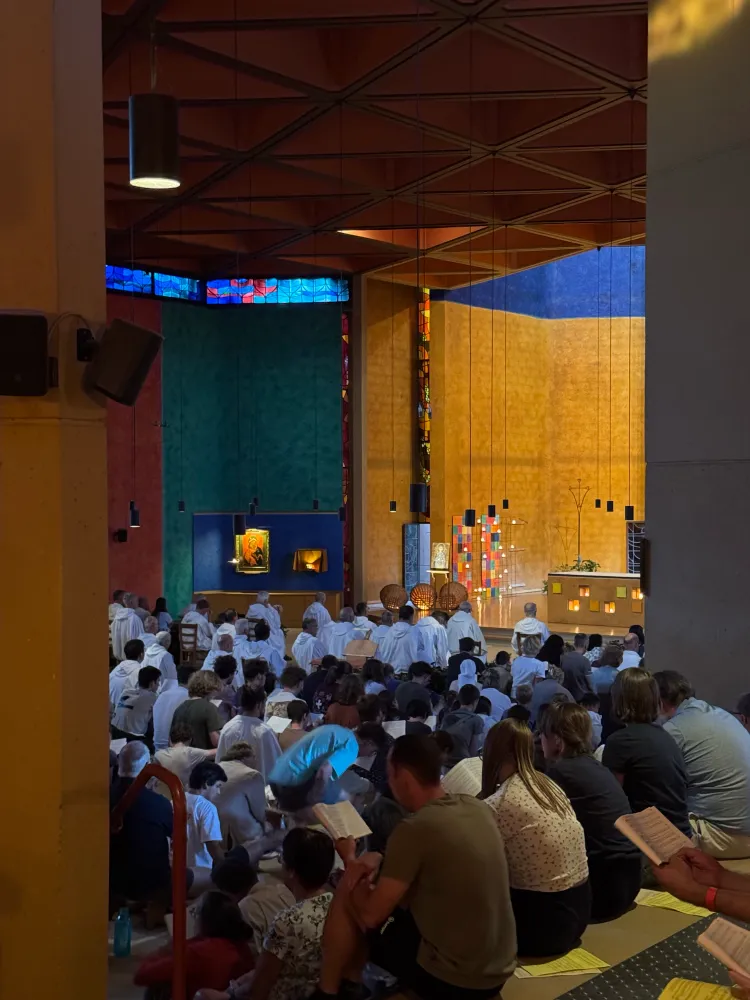
Bishop Graham was a pilgrim himself earlier in the month – taking a group of young people from the Diocese of Norwich to Taize in France.
They joined thousands of young people from all over the world who travel to the monastery in central France for communal living, discussion groups, shared meals, bible study, camping and the distinctive Taize style of inspirational contemplative worship. The monastery, founded in 1940, is home to around 100 monks from Catholic and Protestant traditions worldwide. The theme of this year’s teaching was “What are you looking for?”
On their return to Norwich the young pilgrims were treated to breakfast cooked and served by Bishop Graham.
He said the pilgrimage had included deep questions and discussions about vocation, prayer, community, commitment and being a follower of Jesus.
He had ‘a beautiful and troubling’ conversation with Bishop Efrem of Kyiv about the war and its impact. “He asks for our prayers for Ukrainian children and soldiers held captive in Russia,” said Bishop Graham, who also visited nearby Cluny Abbey – once Europe’s largest church which founded daughter communities including Castle Acre Priory in Norfolk.
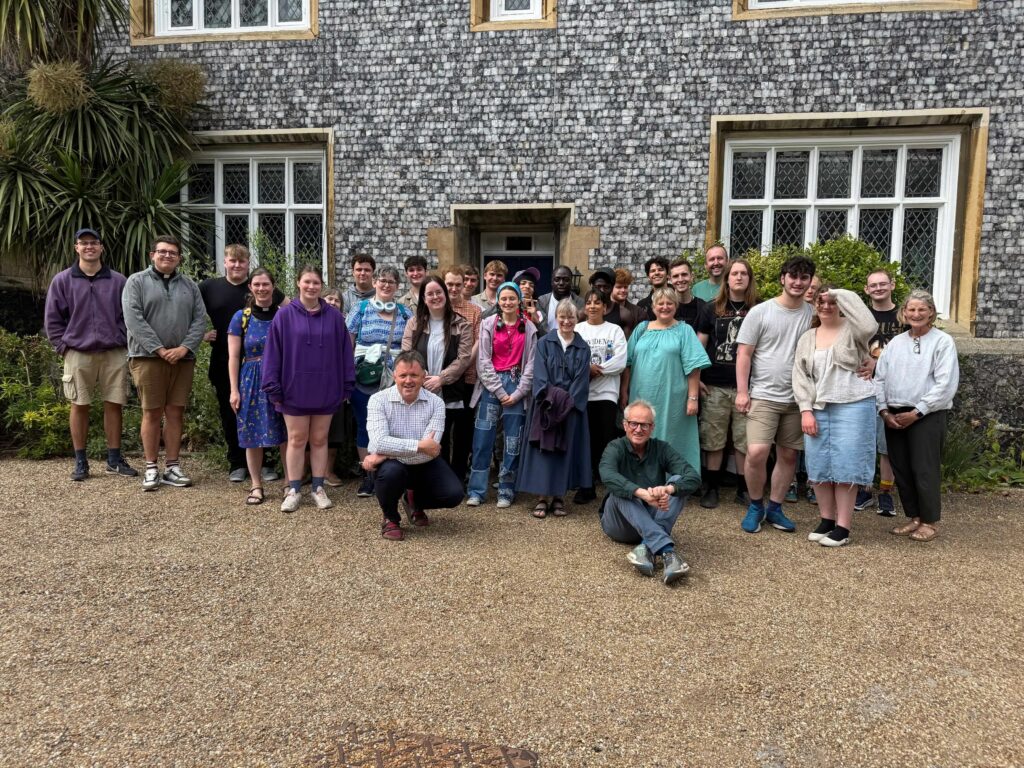
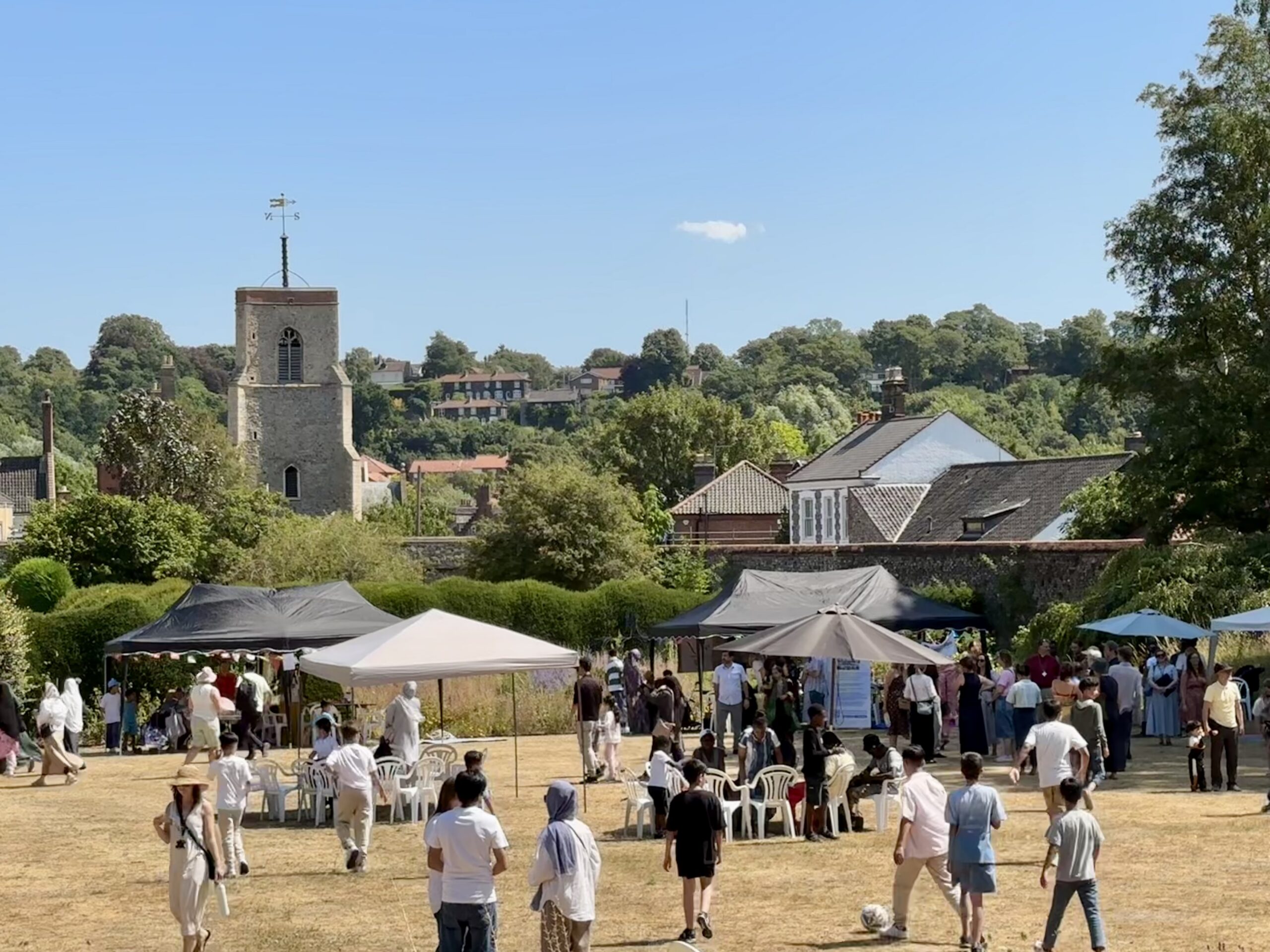
Back in Norfolk Bishop Graham hosted a garden party for refugees living in his diocese.
Families who found refuge in Norfolk and Waveney from war and persecution brought food to share and enjoyed music, crafts and being in the beautiful summery garden.
Bishop Graham called it “One of the happiest afternoons of my year.”
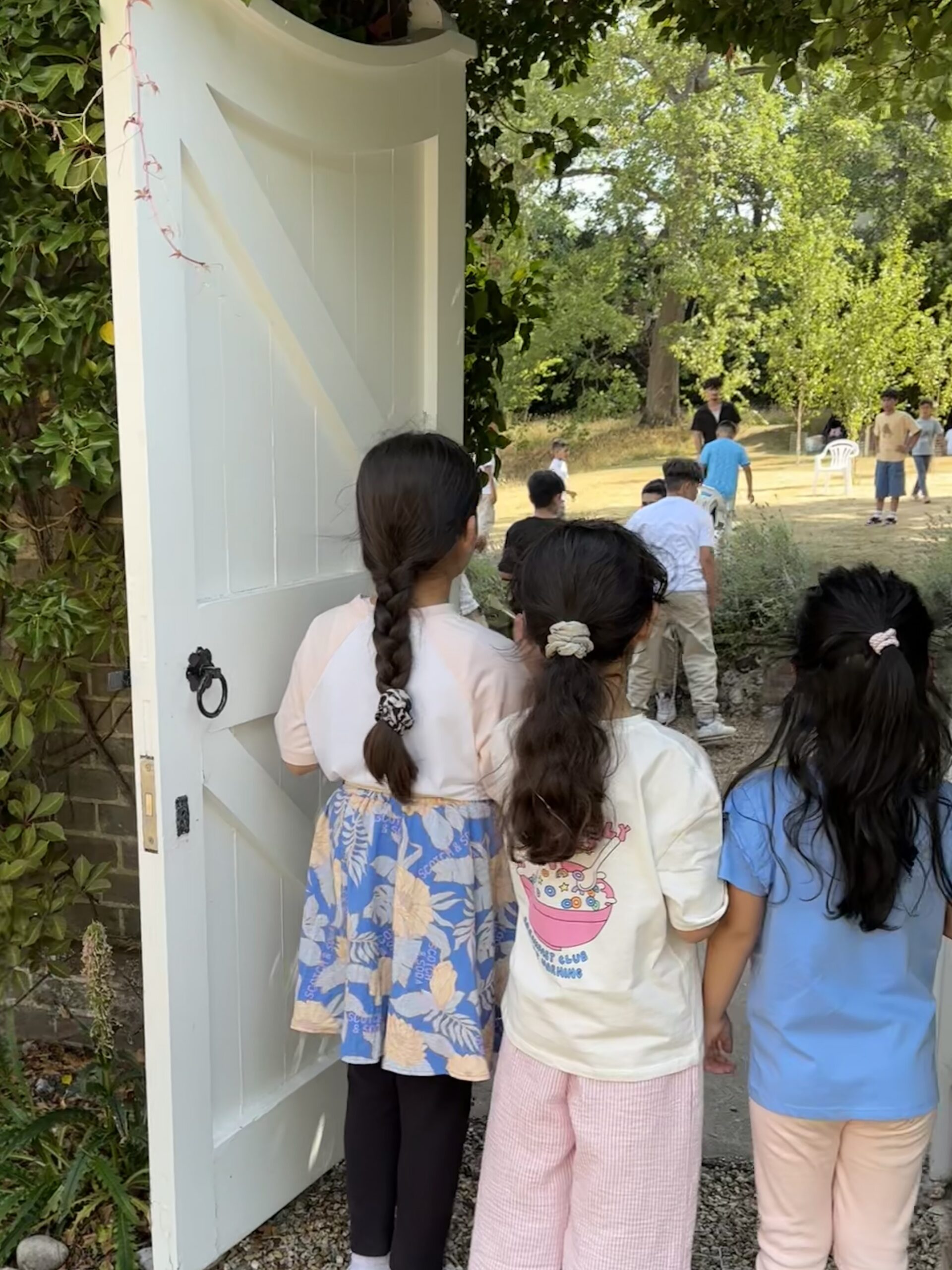

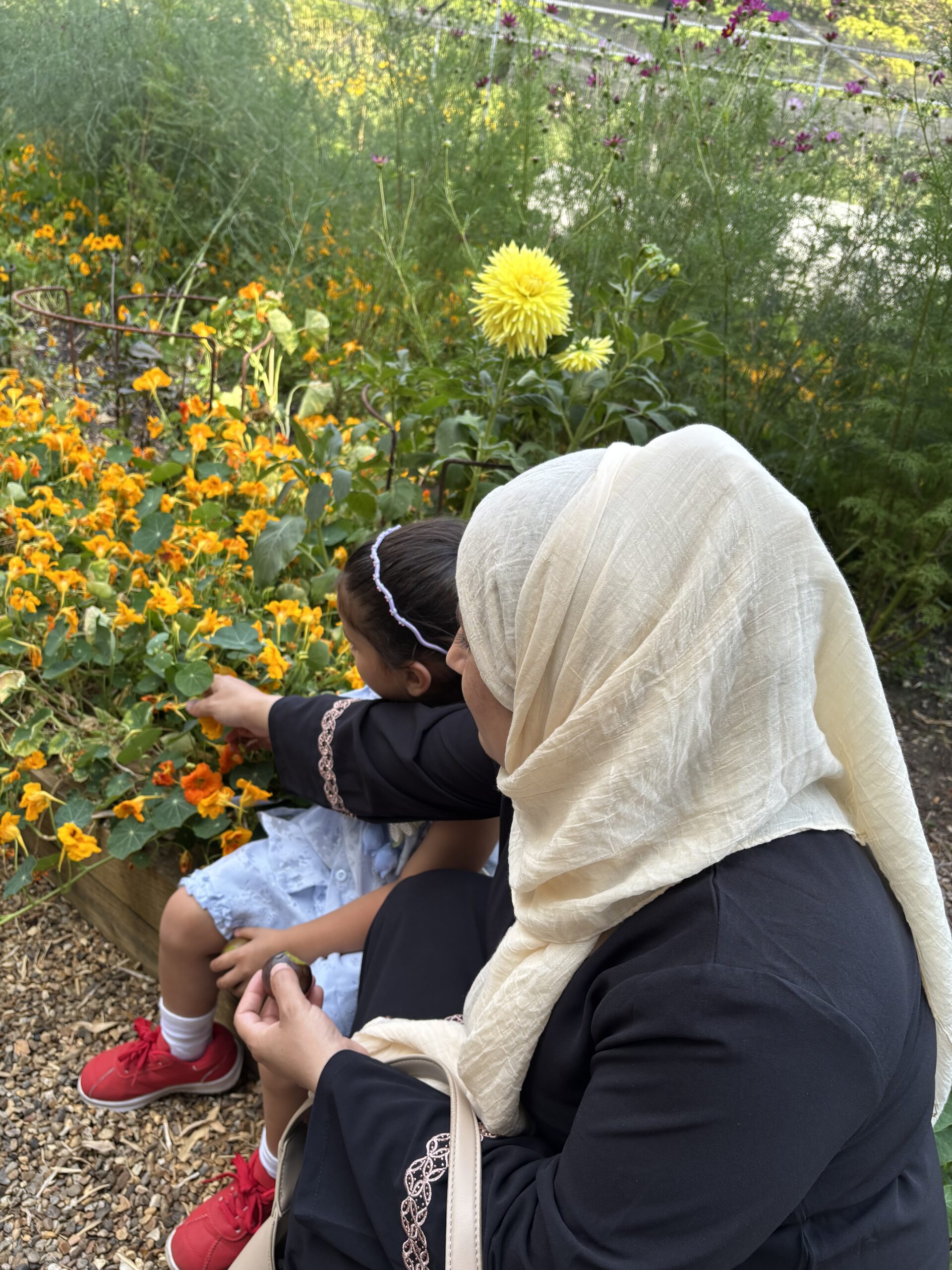

During July he opened his garden to visitors to raise money for Vision Norfolk, St John Ambulance and the National Garden Scheme charities, and it was used by local care home residents and photography and art groups. The garden also featured in The Sunday Times.
On July 27 the Bishop of Norwich conducted the funeral of fellow Bishop Malcolm Menin at St Mark’s Church, Lakenham, Norwich. The former Bishop of Knaresborough began his ministry in Norwich where he was Vicar of St James the Less, Pockthorpe, (now Norwich Puppet Theatre) and then served at St Mary Magdalene, Norwich, becoming Rural Dean of Norwich and an honorary canon of Norwich Cathedral. He was Bishop of Knaresborough from 1986-97, retiring back to Norfolk where he continued serving in chaplaincy work at Norwich Prison.
General Synod of the Church of England was held in York from July 10-14. The Bishop of Norwich’s contributions included speaking about the landmark teaching document Hope for All Creation and the new Festival of Creation in Christ on the first Sunday in September.
“I think Hope for All Creation will really help us as a Church, and be both an ecumenical gift and a gift to other faith communities, to reflect on how we care for this single island planet home,” he said.
“The top environmental problems are selfishness, apathy and greed, and to deal with those issues we need a spiritual and cultural transformation.”
Hope For All Creation presents care for creation as a core part of Christian discipleship and mission, highlighting the Church’s responsibility to understand and respond to the environmental crises facing the world.
The Bishop of Norwich took part in the debate on land use and nature and also gave Synod an update on progress towards net zero carbon, saying: “As Christians, we have a duty not just to speak out but also to act and lead by example, in witnessing how we care about God’s creation.”
In the House of Lords the Bishop of Norwich spoke about the covenant between society and the Armed Forces and about whole society preparedness for conflict, during the second reading of the Armed Forces Bill.
He took part in the Anglican Consultative Council in Belfast which included global conversations about creation care, environmental justice, and how Anglicans can work together to help restore and protect the earth and share work with the UN biodiversity COP. There was also a chance to hear stories of peace and reconciliation during a visit to Londonderry/Derry. “In St Columb’s Cathedral we committed ourselves to be instruments of peace, with the courage to stand against hatred,” said Bishop Graham.
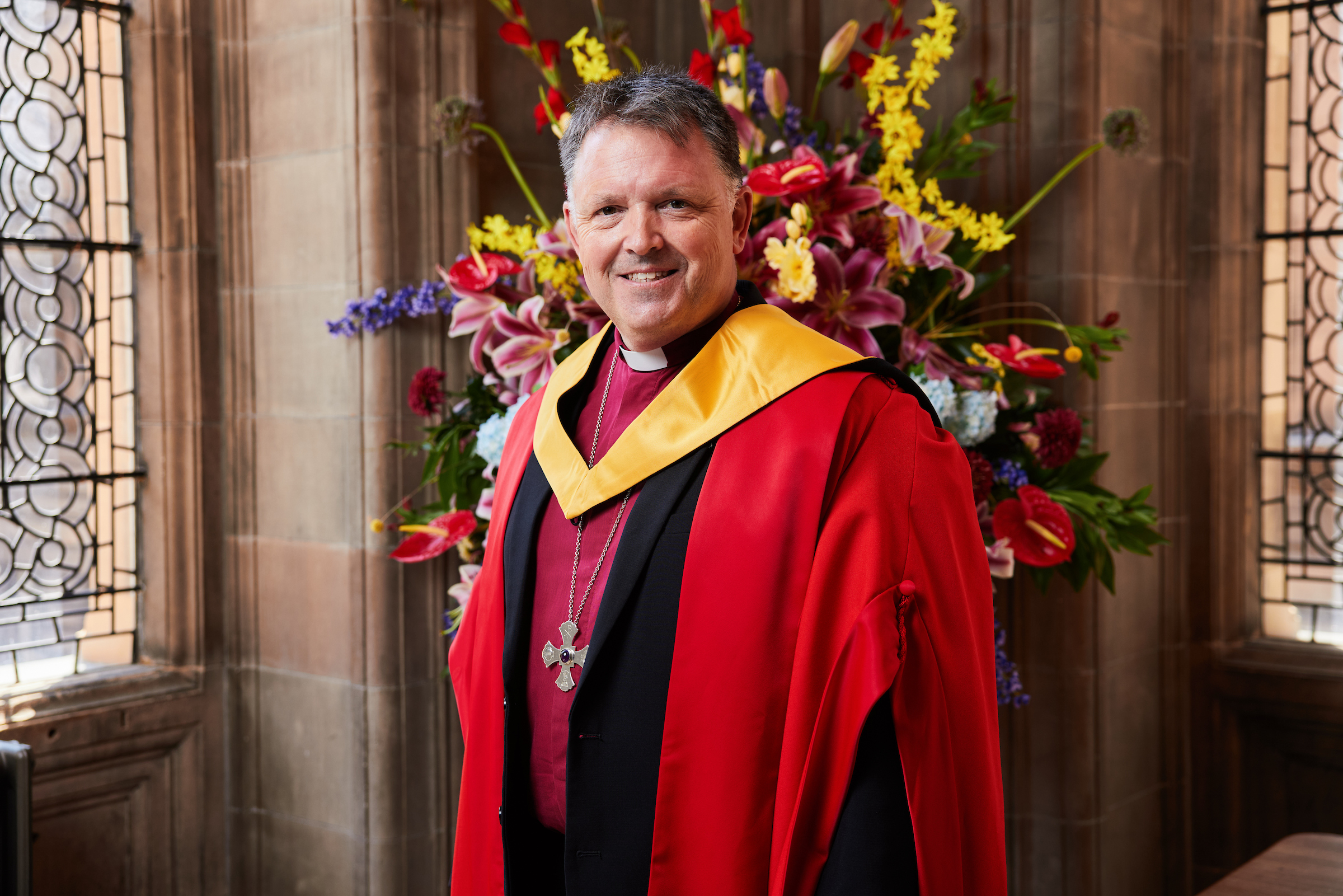
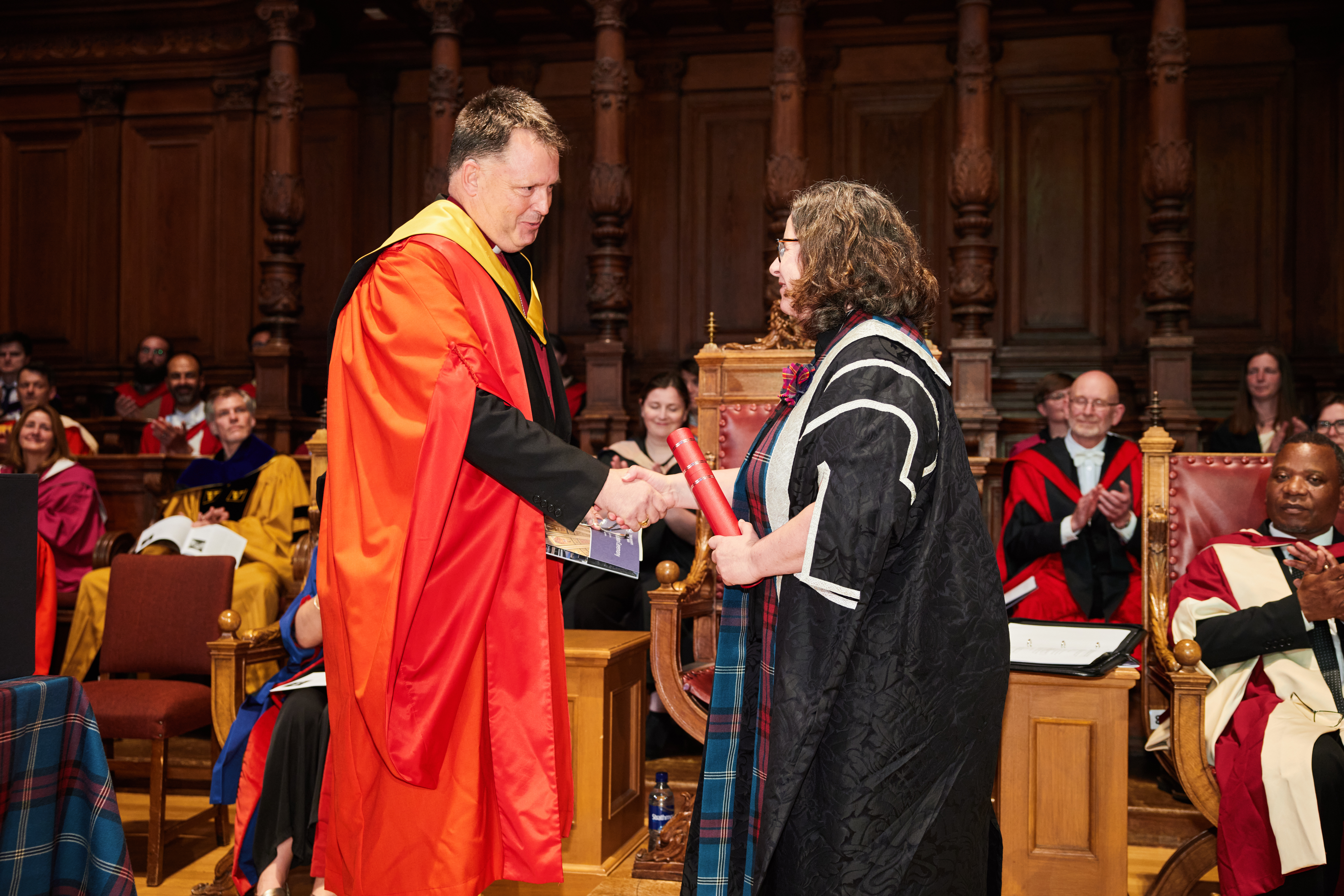
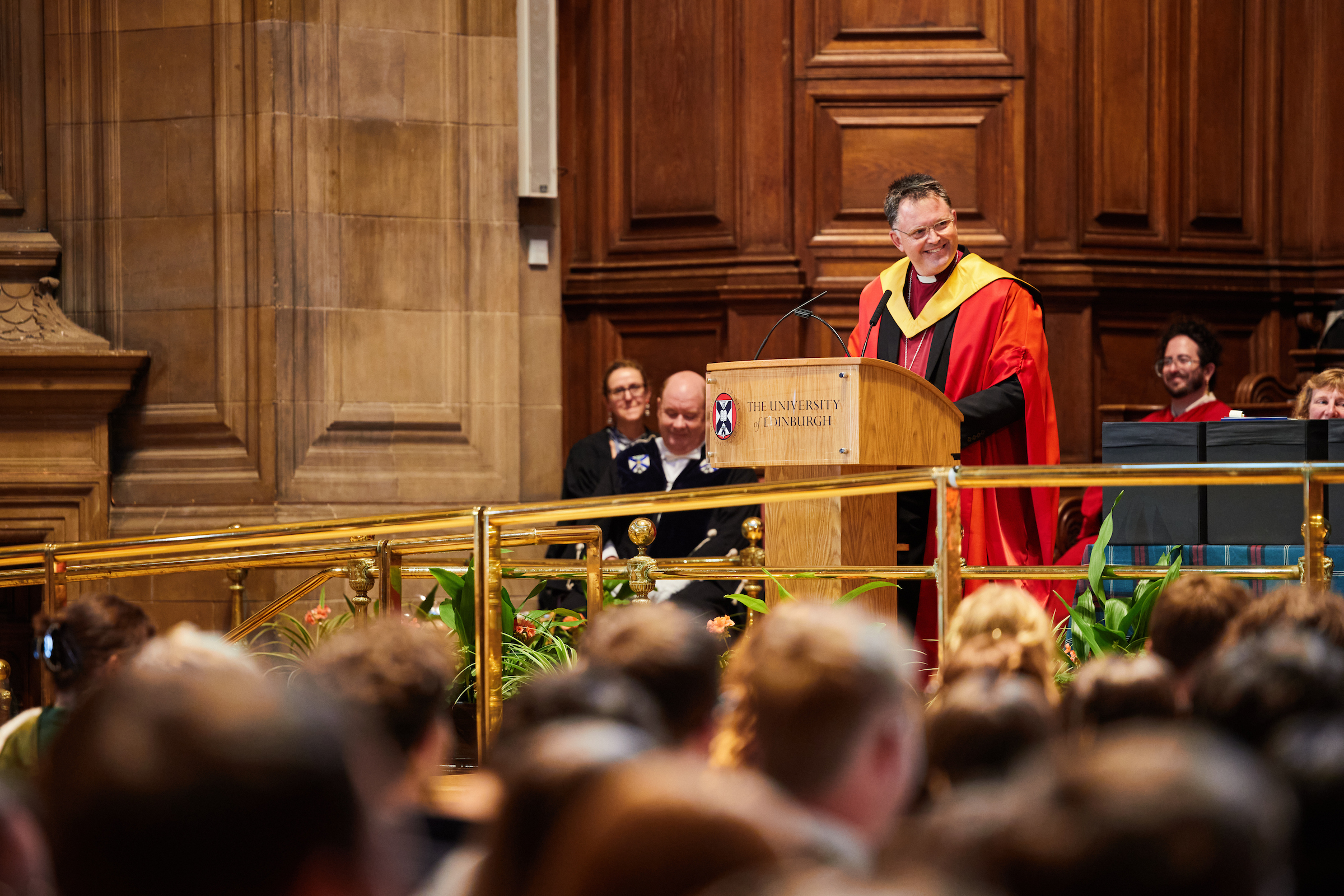
Also in July, the Bishop of Norwich was awarded an honorary doctorate recognising his environmental work with the Church of England, by the University of Edinburgh, where he studied for his first degree in ecological science.