
The Bishop of Norwich was asked to write a piece for the Eastern Daily Press’s first Farm and Country supplement of 2026. He celebrated the deep connection between church and countryside.
“One of the wonders of the Church of England’s parish system is that across the country, every square centimetre of land belongs.
Every field, hedge, house, barn, river, road and wood is part of one of our 600-plus parishes in the diocese of Norwich. From housing estates to country estates, they all belong to a parish.
It gives the Church a deep connection with the places and the people it serves.
When I visit rural parishes in Norfolk and Waveney I often meet farmers and farm workers who live out that connection. Their parish church is part of their lives. They are not only farming the land and growing our food, they are helping to hold together communities. Our village churches rely heavily on our truly remarkable volunteers – with a particular cheer to churchwardens who fulfil their duties so faithfully.
Farming families are often the people helping with the church fete, toddler group, churchyard maintenance, community lunches…
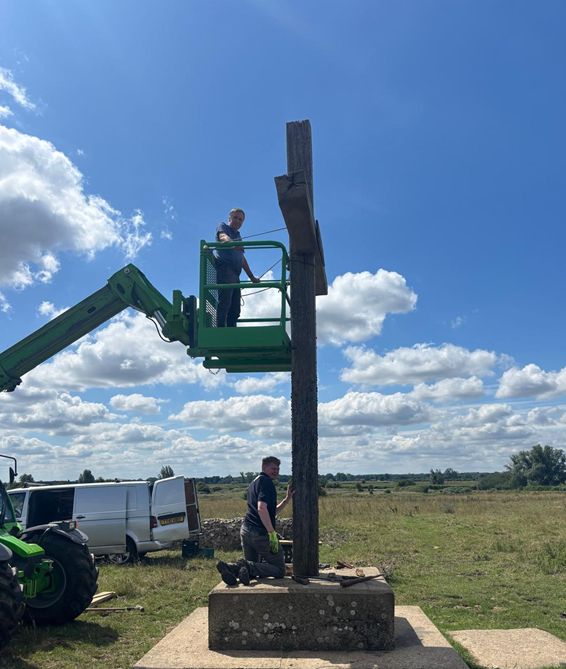
When the wooden cross at St Benet’s Abbey (being Bishop of Norwich means I am also Abbot of St Benet’s) began leaning, it was local farmers who gave their time and tractors for free to ensure it is no longer ‘on the huh’.
Jesus walked the farmland of Galilee. Several of his followers were fishermen, providing food for the community, (and there was a tax collector of course). Throughout his ministry Jesus used images of food and farming, crops and animals, to tell his astonishing story of hope and everlasting life.
Like the cycle of the seasons and farming, the church year is also rooted in seedtime and harvest; preparation, work and gathering in. The glorious medieval font at Burnham Deepdale shows what happened each month – including February when the labourer has his feet up by the fire.
Our parish churches, many of them nationally-important treasuries of medieval art and architecture, are also treasure-troves of memory for generations of people rooted in their community.
No-one has to qualify to be there; all are welcome.
When you push open the door of a rural church, whether as a local, passerby or pilgrim, you often walk into stillness and silence. But this is no empty silence but an expectant silence, waiting on God – like the seeds underground, buds on branches, sheep ready to lamb.
As I travel around this beautiful diocese I see the enormous work which goes into tending the land, caring for crops and livestock, and providing us with food and food security.
I am also heartened by the number of people I meet who are living out that fine balance between food production and nature protection.
Last year I saw the wonderful work being done at Wild Ken Hill in west Norfolk, guided by Kathryn Buscall who is also High Steward of King’s Lynn Minster. Visiting another farm which is part of the Breckland Farmers Wildlife Network I saw nature returning to pingo ponds.
On a much smaller scale many churchyards are managed as mini nature reserves.
I am the Church of England’s lead bishop for the environment, tasked with protecting the natural world, God’s creation. I recently used my voice in the House of Lords to try to protect our internationally-important chalk streams. I also raised the inheritance tax issue, pointing out how the changes for small family farms might affect conservation, young people and mental health.
Farmers often live with enormous pressures. Weather, illness, crop and animal diseases, finance, staffing, rural crime … the list of reasons not to be cheerful can seem insurmountable.
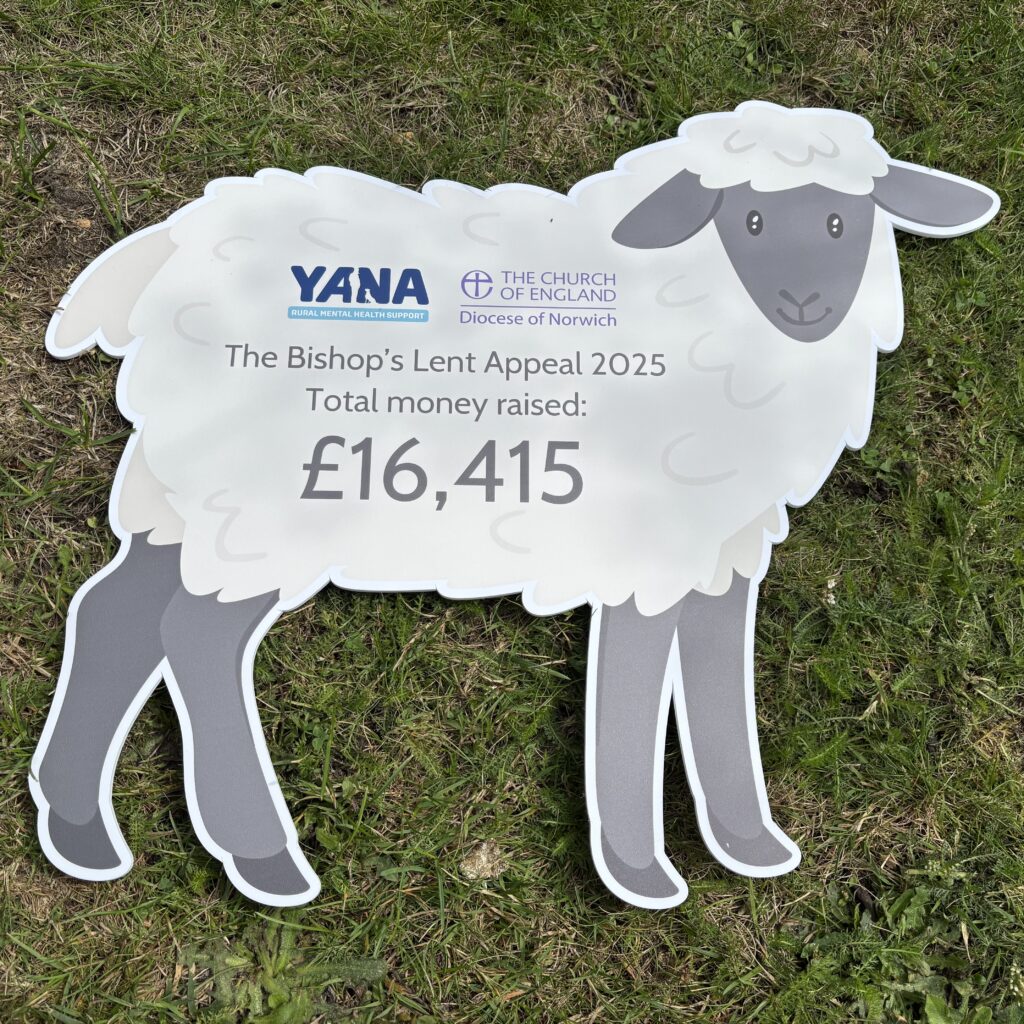
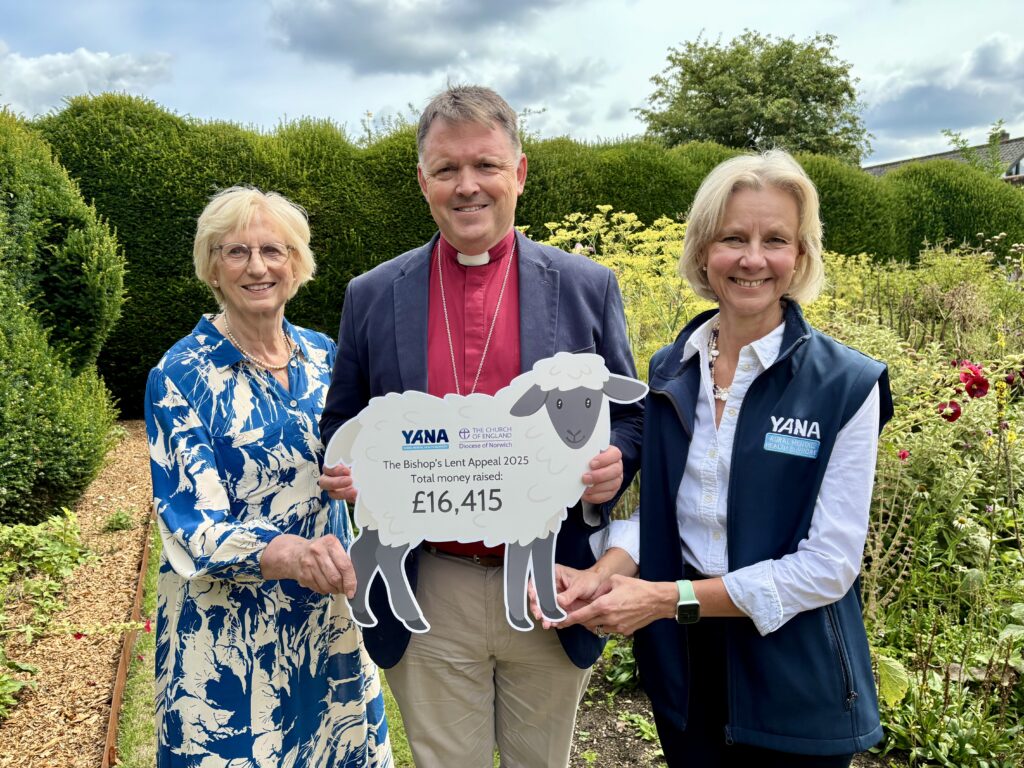
Every year I choose a charity for a Lent Appeal. Last year people across the diocese raised more than £16,000 for YANA, or You Are Not Alone, and its telephone helpline for farm and countryside workers affected by stress and depression.
I also appointed a new Rural Chaplain, in partnership with the Royal Norfolk Agricultural Association. Alongside his work as a rural rector the Revd Tim Weatherstone is there for everyone working in the countryside
Every new year brings uncertainty; every farmer knows there are always storms ahead. I want to equip our churches to help people weather those storms and to stand as a focus of hope and joy at the heart of communities.”