
The Bishop of Norwich has just returned from a pastoral visit to Jerusalem and the West Bank.
He travelled, with the bishops of Chelmsford and Gloucester, as part of the Church of England’s mission to support Christians of the Holy Land, and the work of the Archbishop in Jerusalem.
“This visit to Palestinian Christians was part of an ongoing act of solidarity to listen, pray and walk with sisters and brothers in Christ in Palestine and Israel,” said Bishop Graham.
Although the land is the cradle of Christianity, life is becoming increasingly difficult for the Palestinian Christians in the occupied Palestinian territory.
The Bishop visited Christian families in the West Bank and heard how threats and violence from illegal Israeli settlers are forcing them to abandon the homes and farms which their families have owned and worked for centuries. He was sad not to be able to travel to Gaza, saying he longs to go and support the staff of the Al-Ahli Anglican hospital who he last visited days before Hamas’ horrendous 7th October attacks on Israel.
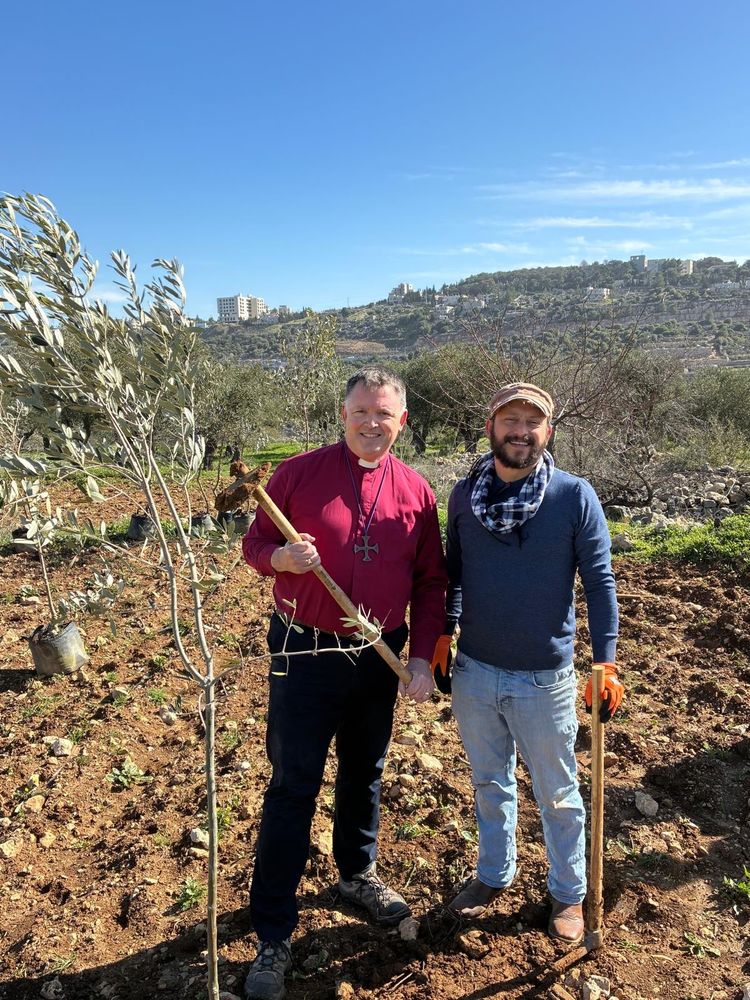
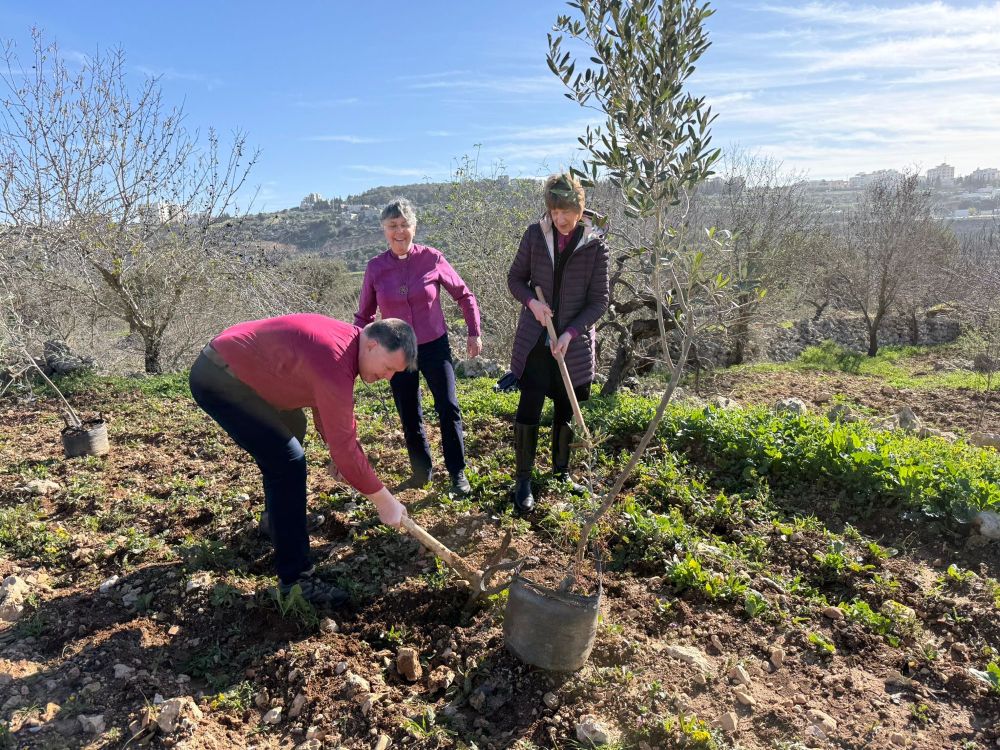
The three English bishops, Bishop Graham Usher, Bishop Guli Francis-Dehqani and Bishop Rachel Treweek, joined Jewish Rabbis from the group Rabbis for Human Rights to plant olive trees with Christian Palestinian Wasim, at his farm outside Bethlehem.
“Nearby Israeli settlers have frequently threatened these farmers and committed gross acts of violence,” said Bishop Graham.
“The planting of olive trees was an act of faith-filled resistance by Jewish rabbis and Christian bishops getting our hands dirty planting trees of hope together.”
“Olive trees are a great symbol of peace and their roots go deep into this ancient and contested ground. May their leaves be for the healing of the nations.”
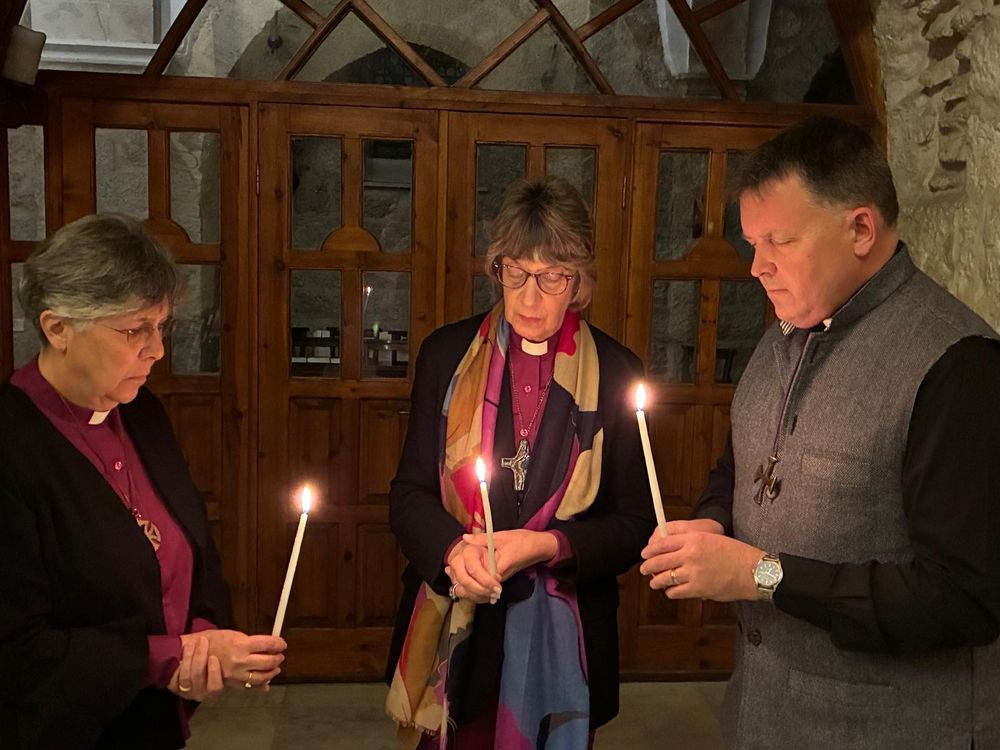
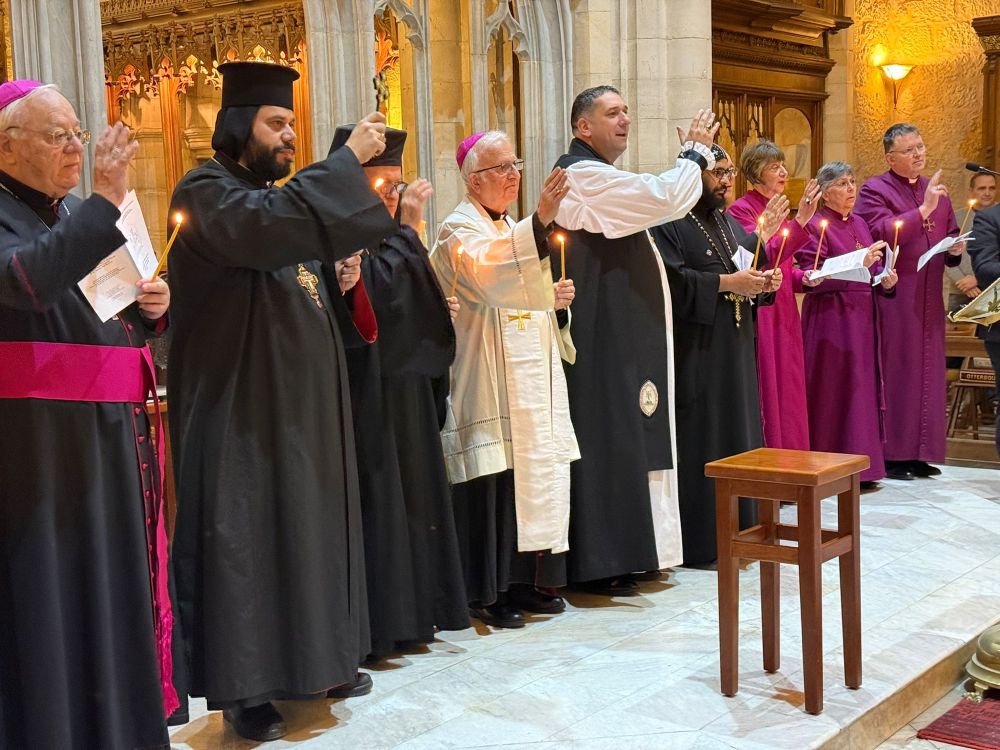
During the five-day visit the bishops marked Holocaust Memorial Day, lighting candles in St George’s Cathedral, Jerusalem, in memory of the many millions of Jews killed.
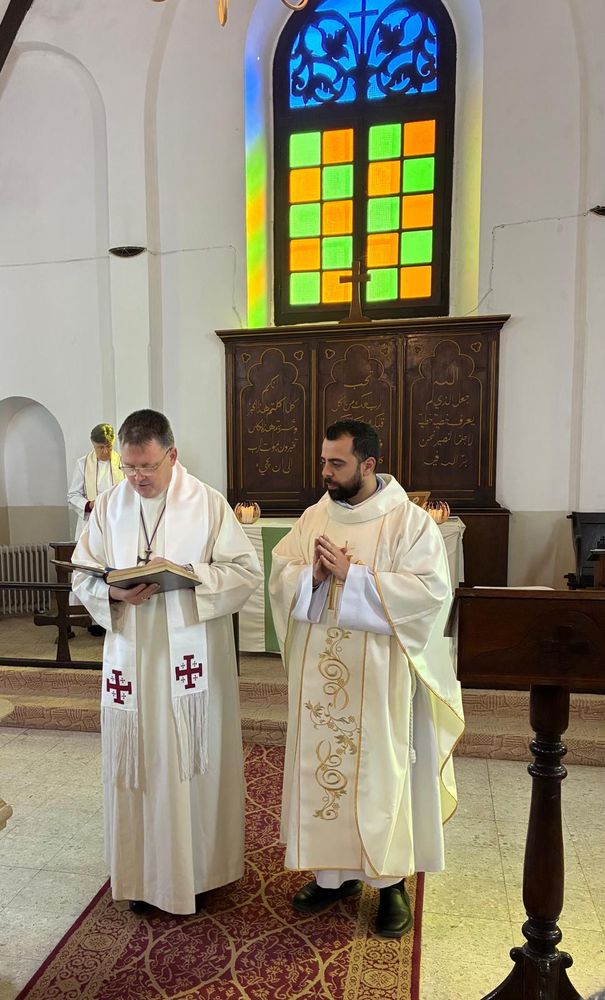
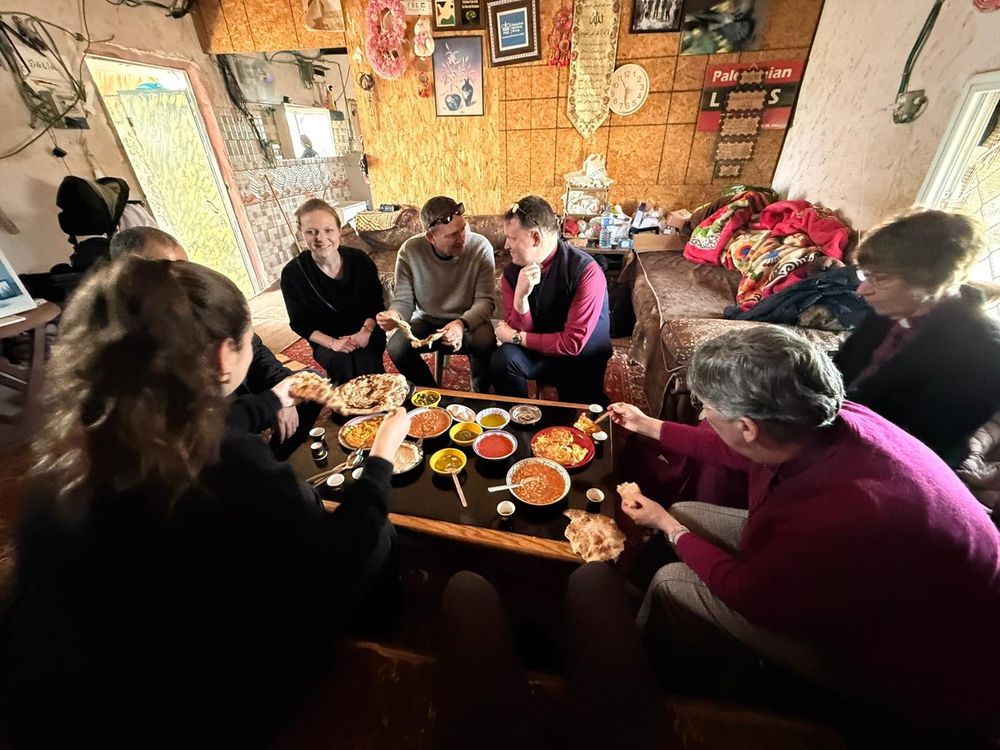
The group also attended Sunday Eucharist with the congregation of St Philip’s, Nablus. In Nablus, Jerusalem, Ramallah and Bethlehem they met Palestinian Christians and heard how they live in fear.
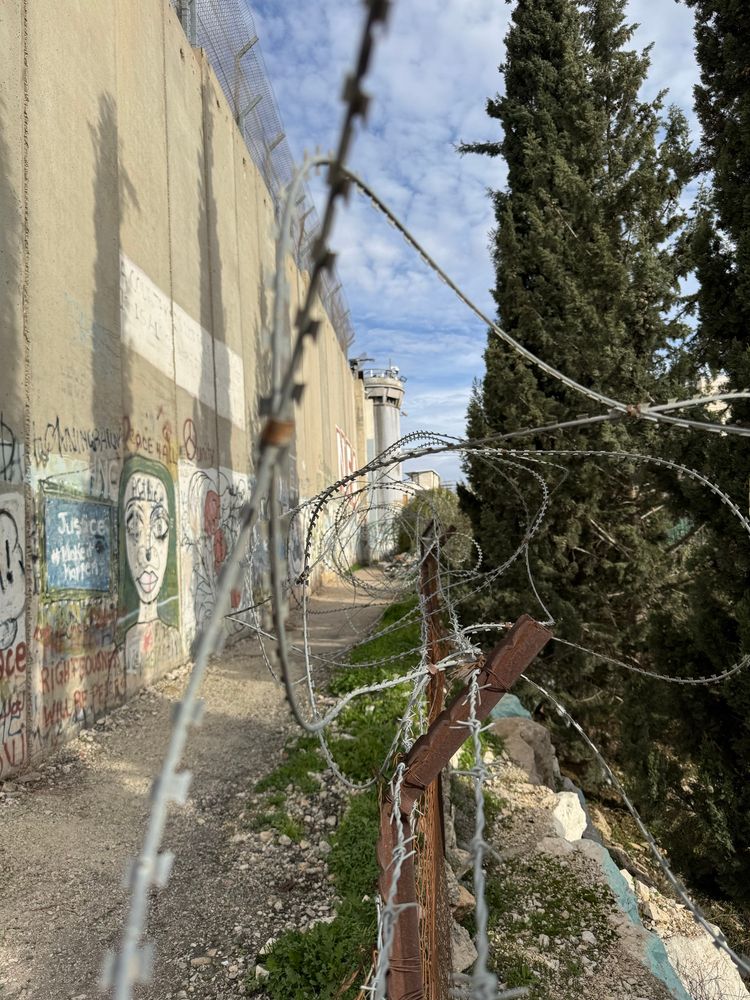
“They called the Israeli government’s occupation and polices a ‘slow suffocation,’” said Bishop Graham. “A repeated message was, ‘The slow suffocation of the occupation is accelerating in the West Bank. They are doing their best to ruin our lives here to make us want to leave.’”
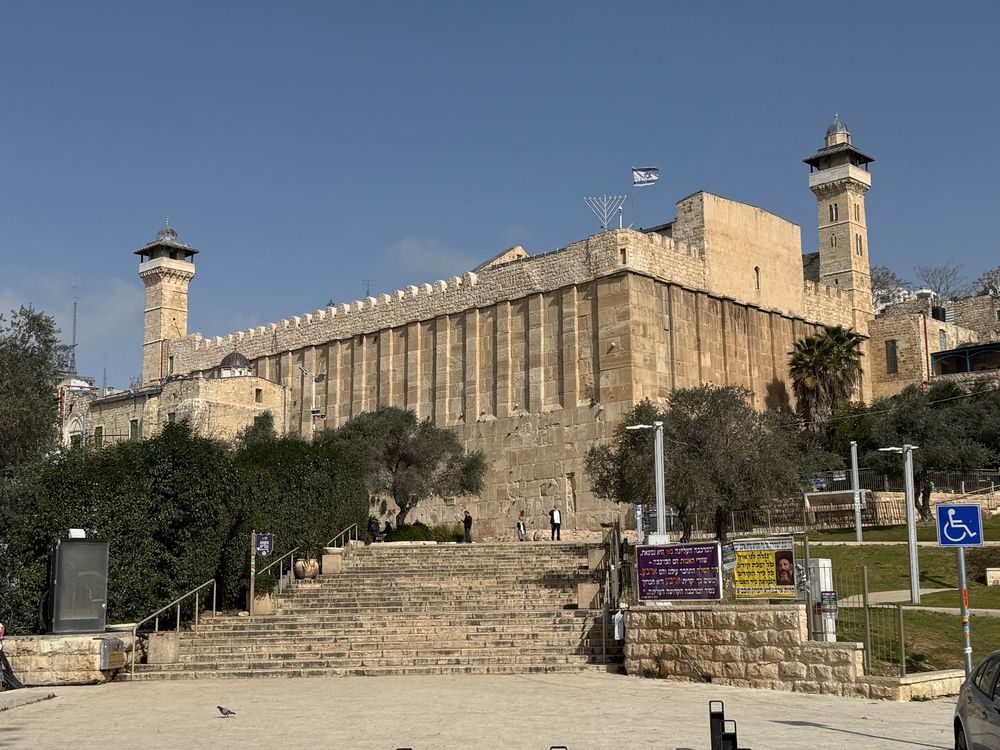
In Hebron the three bishops visited the tombs of the Patriarchs and Matriarchs, walking streets near Jewish settlements where Palestinians are not allowed. “It has resulted in a once vibrant area of the city becoming a ghost town,” said Bishop Graham.
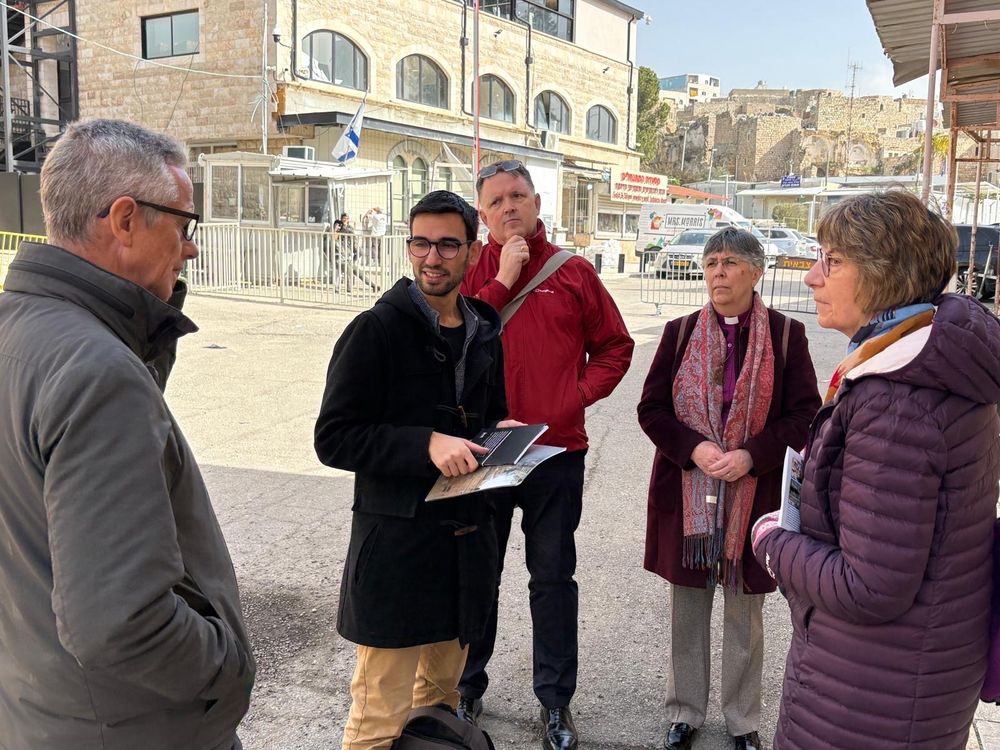
They heard harrowing testimonies, shared by a former Israeli Defence Force soldier, from the Breaking the Silence organisation established by veterans who seek peaceful coexistence and are haunted by what they were commanded to do during their military service.
They joined the Archbishop in Jerusalem, Archbishop Hosam Naoum, and representatives of church denominations present in Jerusalem at a service for the week of prayer for Christian Unity, and were invited to share in an emotional blessing of the congregation and city.
The three bishops also discussed the situation in the West Bank and Gaza over dinner with the UK’s Consul-General to Jerusalem, Helen Winterton.
They hope to share their experiences, and the voices they heard, in their work as Lords Spiritual in the House of Lords.
Following the visit the three bishops accused the UK government of contributing to the Israeli de facto annexation of the West Bank by failing to publish its legal response to the international court of justice’s advisory opinion in July 2024 and helping create a culture of impunity for the Israeli government.
Bishop Graham told his diocese: “If you would like to support the Christian communities of the Holy Land, please consider making a donation or buying items from Embrace the Middle East and The Friends of the Holy Land.