

“I believe we can deliver environmental benefits alongside food production and viable farming businesses,” the Bishop of Norwich said in his keynote speech at the Norfolk Landscapes Conference and Exhibition today (November 3.)
“A landscape that combines production, hedgerows, woodland, ponds, riparian strips, pollen and nectar sources, saltmarshes and floodplains, is a healthy vision for a vibrant countryside,” he said.
The conference, held by the Royal Norfolk Agricultural Association, Norfolk County Council and Norfolk Wildlife Trust at the Norfolk Showground, brought together farmers, landowners, researchers, policymakers, investors and industry leaders.
“As someone who finds no greater pleasure than being up a mountain, I do believe that God had a sense of humour in sending me to the landscapes of Norfolk to be your bishop!” said the Rt Revd Graham Usher. “But I have come to love the diversity of landscapes in this wonderful county – coast and woodland, farmland that in places reaches a gentle incline, and broads, rivers and fens.“
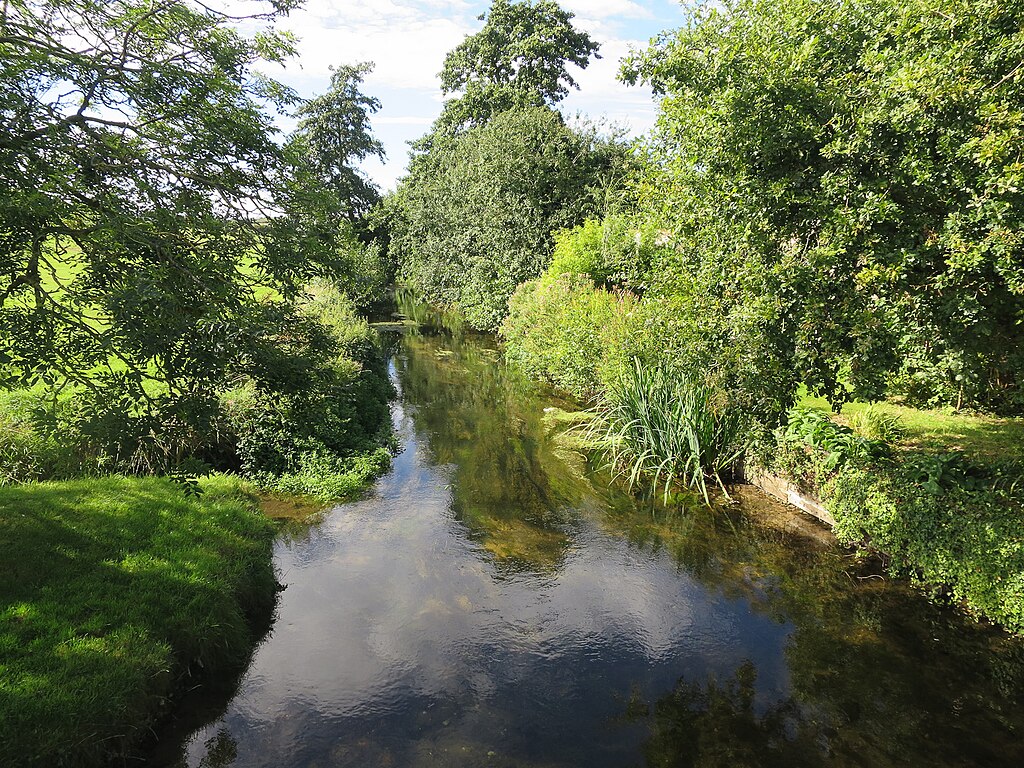
He talked about protecting Norfolk’s chalk streams from pollution, over-abstraction and invasive species and said: “The way we interact with nature needs to find a new humility, a fresh humbleness, for the good of all who share this single, island planet home. We have no planet B.
“Our natural resources are a gift. A precious gift to be stewarded wisely. Yet the reality is that we’ve been cooking the climate and silencing nature’s song. We’ve choked the rivers and knackered the soil.
“97% of UK wildflower meadows have been lost since the 1930s.
“Up to 70% of the UK’s ancient woodland has been lost or damaged.
“Around 118,000 miles of hedgerows have disappeared in the UK since 1950, the equivalent of a continuous hedge running a bit less than five times around the earth’s equator.
“492 species have been lost in England since the 1800’s. 12% of land mammals, 22% of amphibians and 24% of our native butterflies have gone.”
He told the audience he had recently returned from leading the Anglican Communion’s delegation to the UN COP17 on biodiversity in Armenia, where a pathway was agreed towards protecting nature.
“These issues are not merely scientific or political; they also present profound moral and spiritual questions,” said Bishop Graham.
He quoted US lawyer and academic Gus Seth who said: “I used to think that top global environmental problems were biodiversity loss, ecosystem collapse and climate change. I thought with 30 years of good science, we could address these problems, but I was wrong. The top environmental problems are selfishness, greed, and apathy, and to deal with these we need spiritual and cultural transformation.”
The Bishop said farmers and landowners told him they wanted to hand on better, healthier soils and a nature rich landscape to the next generation and spoke of his work in the House of Lords to support this.
His theme as this year’s President of the RNAA has been ‘thriving rural communities’ and he said: “When villages have a diversity of ages and backgrounds their schools tend to thrive. When rural communities have good internet connection businesses function well. When there are good transport links mobility is enhanced. When there is access to shops and GP surgeries and leisure facilities then wellbeing tends to get better. When there is a church community, a village hall or a pub, and perhaps some local clubs and societies, people can meet and chat, celebrate and share, and those who are struggling can be supported, isolation is reduced, and a common sense of purpose is fostered. This is all about interconnected, and we need also to be deeply connected to our landscapes so that they can thrive for nature too.”
Pictures:
The River Stiffkey, a chalk stream. geograph.org.uk
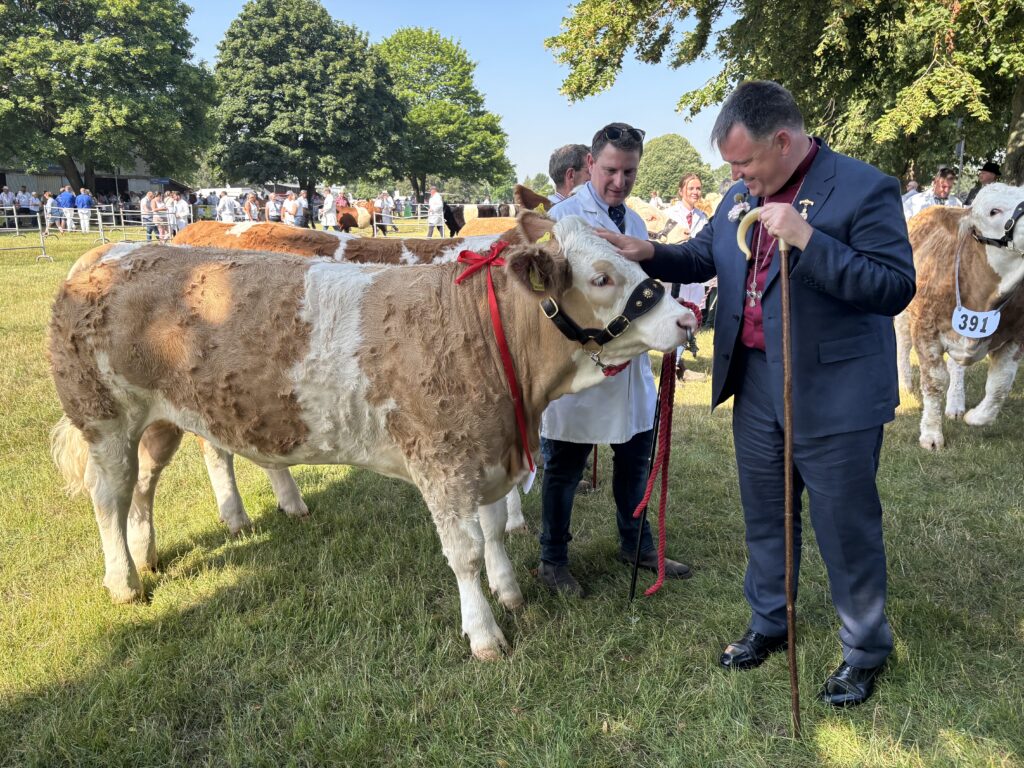
The Bishop of Norwich at the 2026 Royal Norfolk Show